
With over 3,000 votes, it has an average rating of 4.89.


About Us
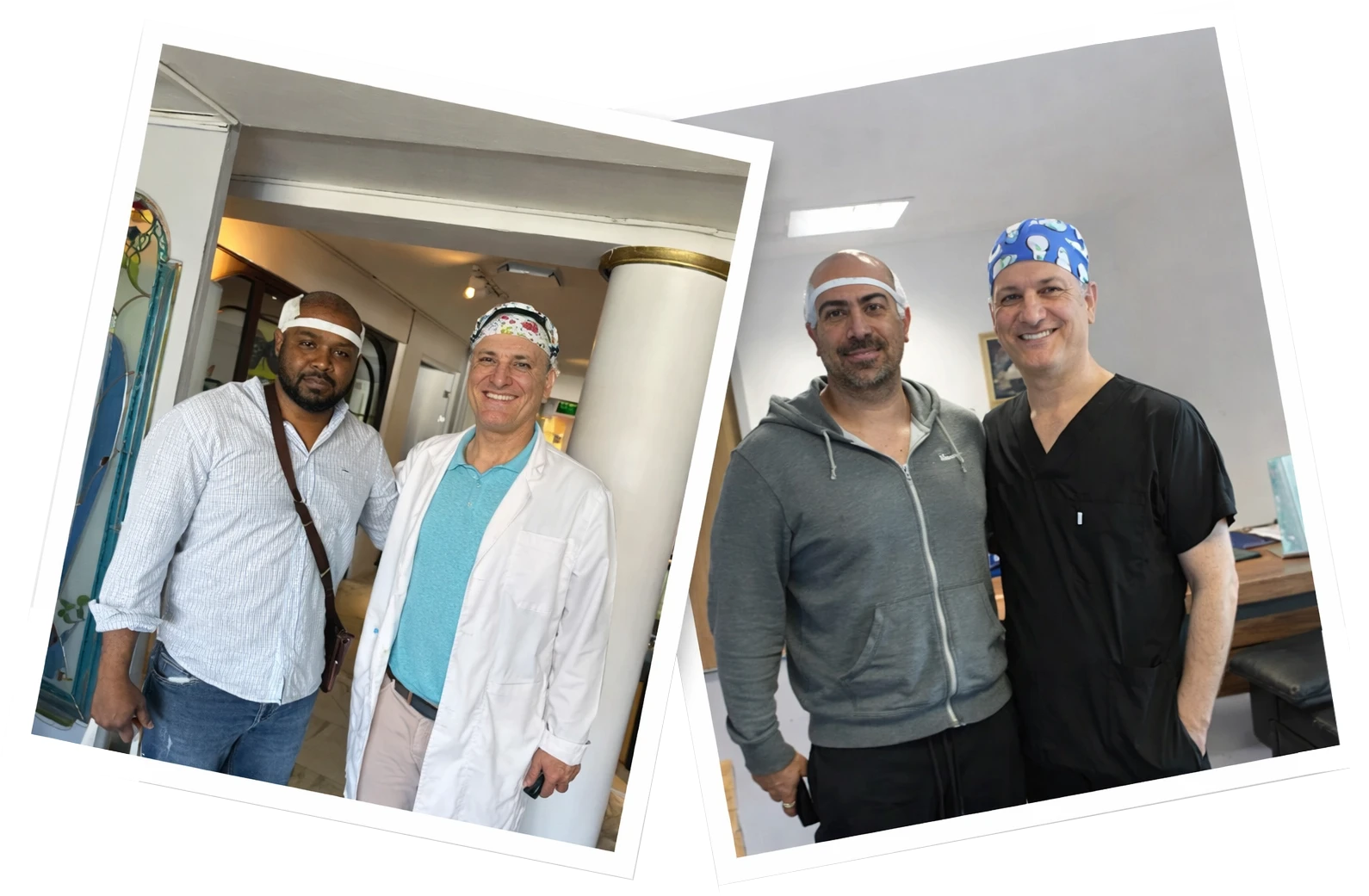
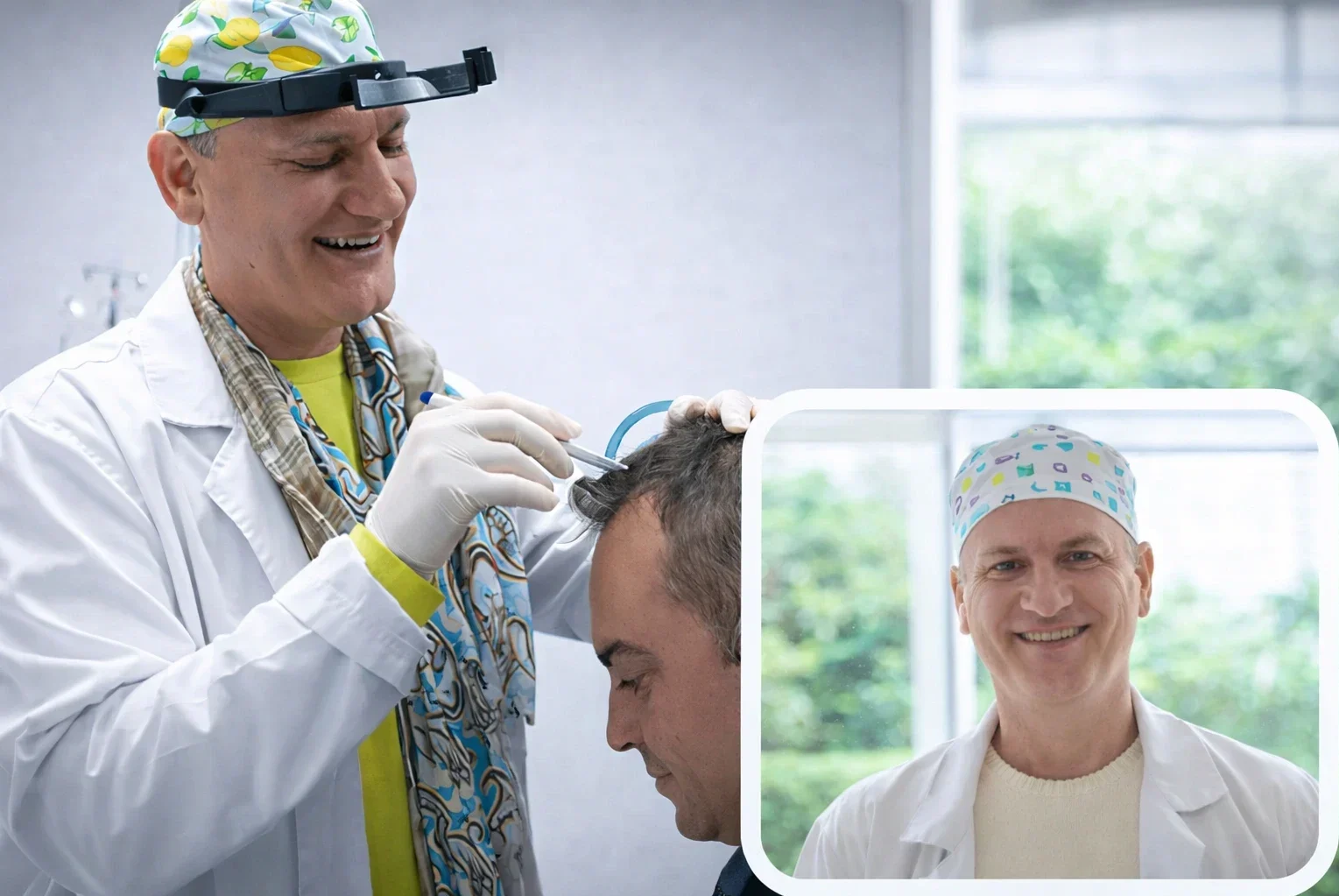
Dr. Yetkin Bayer Clinics was founded by Dr.Yetkin Bayer and has been performing medical aesthetics, orthopedics, dentistry applications, and particularly hair transplantations, for a long time. Our clinic is dedicated to providing health services that meet both the national and international standards.
Our clinic strives to provide qualified solutions for the aesthetic needs of all of our patients by combining new and modern technologies with classic and effective expertise.
Dr. Yetkin Bayer Clinics consist of a team of qualified health personnel ranging from physicians, dentists, and other aesthetic specialists. We all work hard in order to ensure that everyone can take advantage of our services, which are all compliant with Turkey and the European Union health protocols.
Dr.Yetkin Bayer Clinics serves patients from not only Turkey, but from many different nations of the world. Our vision of being able to serve patients from all over the world is something we are truly proud of.

Bayer Clinic's Hair Transplant Packages
Bayer Clinic hair transplant packages are designed to cover every step from consultation to recovery. Each package includes essential services that support a safe procedure and natural-looking results. Options such as DHI hair transplant, Sapphire FUE, beard transplant, VIP DHI, and eyebrow transplant are planned to provide comfort, efficiency, and a structured treatment process.

DHI Hair Transplant
- Pre-procedure medical consultation
- Hairline design and planning
- Local anesthesia application
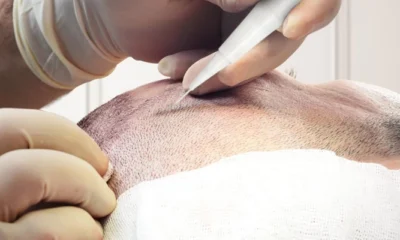
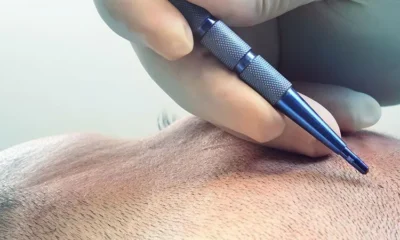
- DHI implantation with implanter pen
- Maximum graft extraction and implantation
- Sterile clinical environment
- Post-operation medications
- First wash procedure
- Aftercare instructions
- Follow-up support process
Sapphire Hair Transplant
- Pre-procedure medical consultation
- Hairline design and density planning
- Local anesthesia application
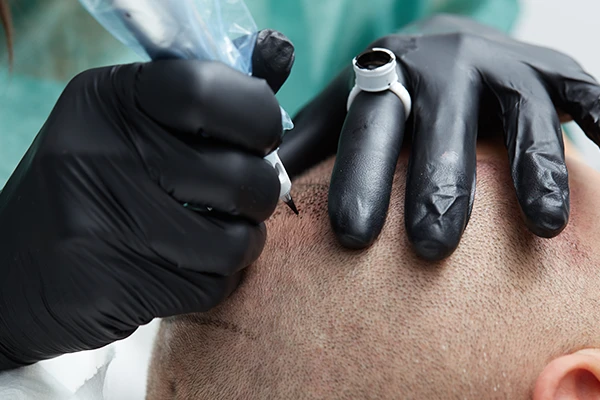
- Sapphire blade channel opening
- Graft extraction and implantation
- Sterile clinical environment
- Post-operation medications
- First wash procedure
- Aftercare instructions
- Follow-up support process
Beard Transplant
- Pre-procedure consultation
- Beard design and planning
- Local anesthesia application
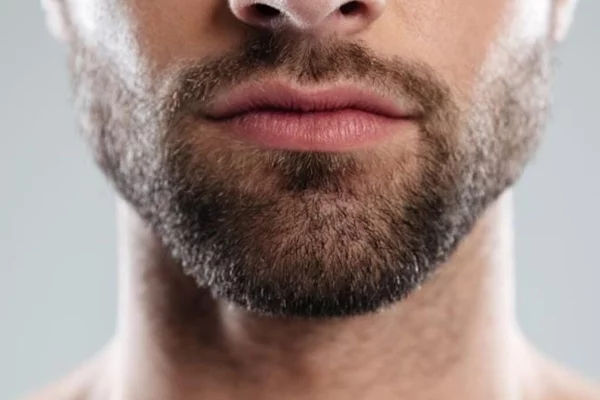
- Graft extraction from donor area
- Implantation to beard area
- Sterile clinical environment
- Post-operation medications
- First wash procedure
- Aftercare instructions
- Follow-up support process
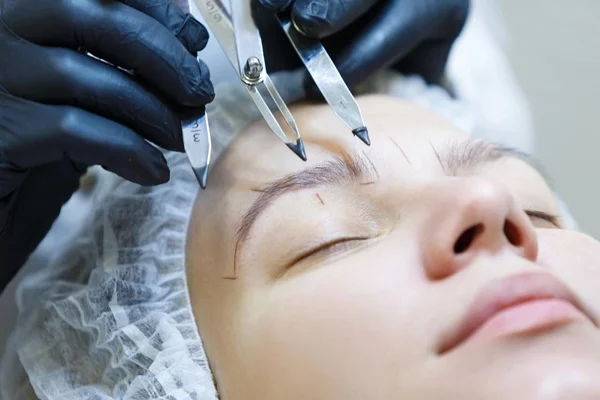
Eyebrow Transplant
- Pre-procedure consultation
- Eyebrow design and symmetry planning
- Local anesthesia application
- Graft extraction from donor area
- Implantation to eyebrow area
- Sterile clinical environment
- Post-operation medications
- Aftercare instructions
- Follow-up support process
Hair Transplant Turkey
Hair transplant Turkey offers a cost-effective solution with generally consistent results when performed by qualified medical professionals. Hair transplant Turkey procedures vary depending on technique, clinic standards, and individual hair characteristics.Most patients undergo methods like FUE, which aim to deliver natural-looking outcomes over time. The process includes consultation, graft extraction, implantation, and a recovery period that requires proper care. Results typically develop gradually, with noticeable growth after several months.What is a Hair Transplant and How Does It Work?
A hair transplant is a surgical procedure that involves relocating healthy hair follicles from a donor area (usually the back or sides of the scalp) to areas of the scalp experiencing hair loss or thinning. The transplanted hair continues to grow naturally, providing a permanent solution to baldness or thinning hair. There are two main techniques for hair transplants: FUE (Follicular Unit Extraction) and FUT (Follicular Unit Transplantation).FUE involves extracting individual hair follicles, while FUT removes a strip of skin with hair follicles intact, which are then dissected and transplanted. Over time, the transplanted hair grows as normal hair, offering a natural and fuller look. This procedure is ideal for people suffering from hair loss due to genetics, aging, or other factors, as it restores hair and boosts self-esteem.Different Types of Hair Transplants: FUE vs. FUT
There are two main types of hair transplant techniques: FUE (Follicular Unit Extraction) and FUT (Follicular Unit Transplantation).- FUE involves extracting individual hair follicles using a specialized tool and transplanting them into the thinning or balding areas. This method leaves no linear scar, making it ideal for those who prefer short hairstyles.
- FUT, on the other hand, involves removing a strip of skin from the donor area, dissecting it into individual follicular units, and transplanting them to the recipient area. While FUT leaves a linear scar, it is often preferred for patients needing a larger number of grafts in a single session. Both methods are effective, and the decision between FUE and FUT depends on the patient's specific needs, hair type, and aesthetic goals.
Benefits of Hair Transplant Surgery for Hair Restoration
Hair transplant surgery offers many benefits for individuals suffering from hair loss. The most significant advantage is that the results are permanent, with the transplanted hair continuing to grow naturally over the years. Unlike other treatments that require ongoing maintenance, hair transplant surgery provides a long-term solution.Additionally, the procedure helps restore fullness, density, and symmetry to the hair, improving overall appearance and boosting confidence. Since the hair follicles are taken from the patient’s own scalp, there is minimal risk of rejection or allergic reaction, making it a safe and effective option. The natural look achieved by the transplant means the results are often indistinguishable from the patient’s original hair.How Long Do Hair Transplant Results Last?
Hair transplant results are typically permanent. Once the hair follicles are transplanted into the recipient area, they continue to grow naturally for the rest of the patient’s life. However, it’s important to note that existing non-transplanted hair may continue to thin or fall out due to genetic hair loss or other factors. While the transplanted hair remains permanent, maintenance may be necessary to prevent further thinning in untreated areas. To maintain results, some patients opt for complementary treatments like minoxidil or finasteride, which help slow down hair loss. Overall, hair transplants provide a long-lasting solution, with patients often enjoying a fuller head of hair for many years.Is a Hair Transplant Safe for All Hair Types?
Hair transplants are generally safe for all hair types, but there are a few considerations. The success of a hair transplant can be influenced by factors such as hair texture, density, and curliness. Thicker hair tends to yield better results as it blends more seamlessly with the existing hair. Individuals with fine or thin hair may experience slightly more difficulty achieving a seamless result, but a skilled surgeon can still work with these hair types to produce natural-looking outcomes.Additionally, curlier hair may require special attention during the grafting process to ensure proper placement and direction of the transplanted follicles. Hair transplants are also safe for individuals with straight or wavy hair, but it’s important to have a consultation with a professional to discuss any potential concerns and to determine the best approach for each specific case.What to Expect During a Hair Transplant Procedure?
During a hair transplant procedure, you can expect a structured process involving preparation, local anesthesia, graft extraction, and implantation.Hair transplant procedures typically begin with a detailed consultation and hairline design to match natural growth patterns. After applying local anesthesia, the surgeon extracts healthy hair follicles from the donor area. These grafts are then carefully implanted into thinning or bald areas following a precise plan. The procedure may take several hours depending on the number of grafts.How to Prepare for a Hair Transplant Surgery?
Proper preparation is key to ensuring the success of a hair transplant. Before the procedure, patients are usually advised to avoid alcohol and blood-thinning medications for a week or two, as these can increase the risk of bleeding. Patients should also shave the donor area (if applicable) and wash their scalp with a gentle shampoo before the procedure. In some cases, a pre-procedure consultation with a dermatologist may be necessary if the patient has underlying skin conditions. On the day of the surgery, patients should wear loose, comfortable clothing and arrange for transportation home, as the procedure can take several hours. Proper pre-surgery care helps ensure optimal results and a smooth recovery process.Post-Hair Transplant Care
Proper aftercare is essential for achieving the best results after a hair transplant. Patients should avoid touching, scratching, or rubbing the treated area to prevent dislodging the newly transplanted follicles. Showering is usually allowed, but patients should avoid direct water pressure on the scalp for the first few days.Swelling or bruising around the forehead and eyes is common and should subside within a few days. Patients should also avoid sun exposure for at least two weeks and wear a protective hat when outdoors. Following a healthy lifestyle, avoiding smoking, and staying hydrated can promote faster healing and better growth of the transplanted hair.Side Effects and Risks of Hair Transplant Surgery in Turkey
While hair transplant surgery is generally safe, there are some potential side effects and risks to consider. The most common side effects include swelling, redness, and discomfort at the donor and recipient sites, which typically resolve within a few days. In rare cases, patients may experience infection, scarring, or ingrown hairs. Shock loss, where the transplanted hair temporarily falls out before regrowing, is also possible but temporary. It’s important to choose a skilled surgeon to minimize these risks and follow post-operative care instructions carefully to ensure the best results and prevent complications.Hair Transplant for Receding Hairline
A hair transplant is an effective solution for a receding hairline caused by genetic hair loss. By transplanting healthy hair follicles from the donor area to the thinning or balding hairline, the procedure helps restore a more natural and youthful appearance. The transplanted hair will grow naturally, blending seamlessly with existing hair. Many patients notice a significant improvement in the definition of their hairline after several sessions. With proper care and ongoing treatment, the results of a hair transplant can help reverse the effects of a receding hairline and provide permanent, natural-looking results.Hair Transplant for Balding
For individuals suffering from balding, hair transplant surgery offers an effective and long-lasting solution. Transplanted hair follicles are taken from areas that are genetically resistant to hair loss and placed into the balding zones, typically the crown or front. Once the follicles are transplanted, they continue to grow naturally, filling in bald spots. Over time, patients will experience regrowth in the treated areas, resulting in a fuller and more youthful appearance. This permanent solution helps restore self-confidence and reduces the need for continuous treatments like topical applications.Who Is an Ideal Candidate for a Hair Transplant?
The ideal candidate for a hair transplant is someone experiencing pattern baldness or thinning hair, often caused by genetics, age, or hormonal changes. Candidates should have enough healthy donor hair to provide follicles for transplant. It’s important for candidates to be in good overall health and have realistic expectations about the procedure’s results. Patients who have areas of baldness with adequate donor hair are more likely to achieve successful results. A consultation with a qualified surgeon will determine if a hair transplant is the right solution for individual hair restoration needs.How Many Sessions Are Needed for a Hair Transplant?
Typically, one to two sessions of hair transplant surgery are required to achieve visible results. However, depending on the extent of hair loss and the number of follicles needed, some patients may require multiple sessions over time. The initial transplant usually covers a specific area, such as the hairline or crown, but further sessions may be needed to address additional thinning or balding areas. Each session typically takes 4 to 8 hours and may require several months for full hair regrowth.Hair Transplant Recovery Time
The recovery time after a hair transplant varies depending on the individual and the size of the area treated. Most patients experience some swelling and redness for a few days following the procedure. Generally, initial recovery takes about 7 to 10 days, during which patients should avoid strenuous activities and direct sun exposure. After the first week, normal activities can often be resumed, but it’s essential to follow aftercare instructions to ensure optimal healing. It can take 3 to 6 months for visible results, with full regrowth occurring within 12 months.Can a Hair Transplant Be Combined with Other Treatments?
Yes, a hair transplant can be effectively combined with other hair restoration treatments. For example, (Platelet-Rich Plasma) therapy can be used in conjunction with a hair transplant to enhance healing and promote hair growth in both transplanted and non-transplanted hair. Additionally, minoxidil or finasteride may be used to prevent further hair loss in untreated areas. Combining treatments can provide enhanced results, especially for those looking to address early signs of hair loss or maximize the outcome of their hair transplant.




Listen toour patients' perspective as well.
YETKİN BAYER CLINIC İstanbul!
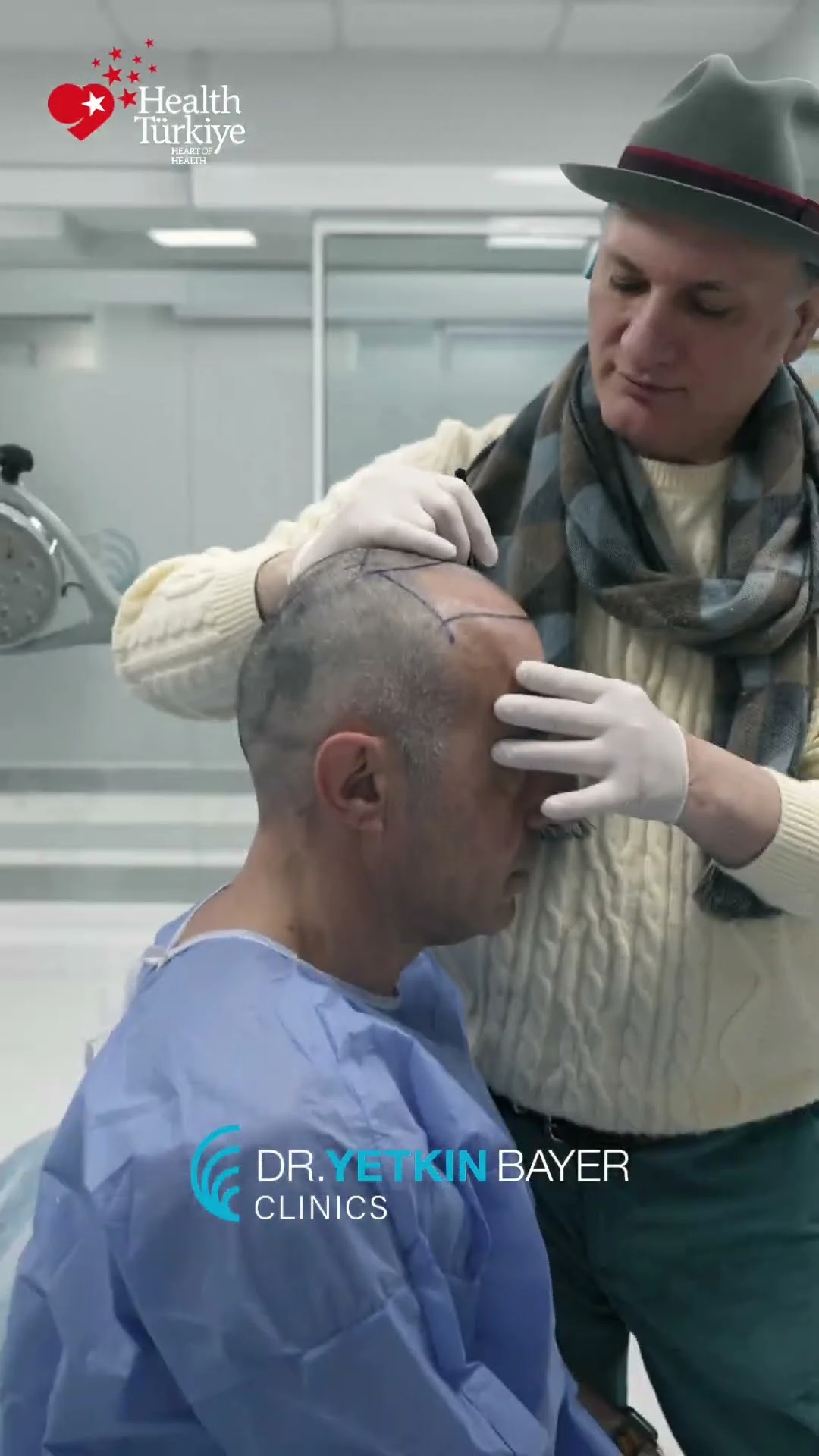
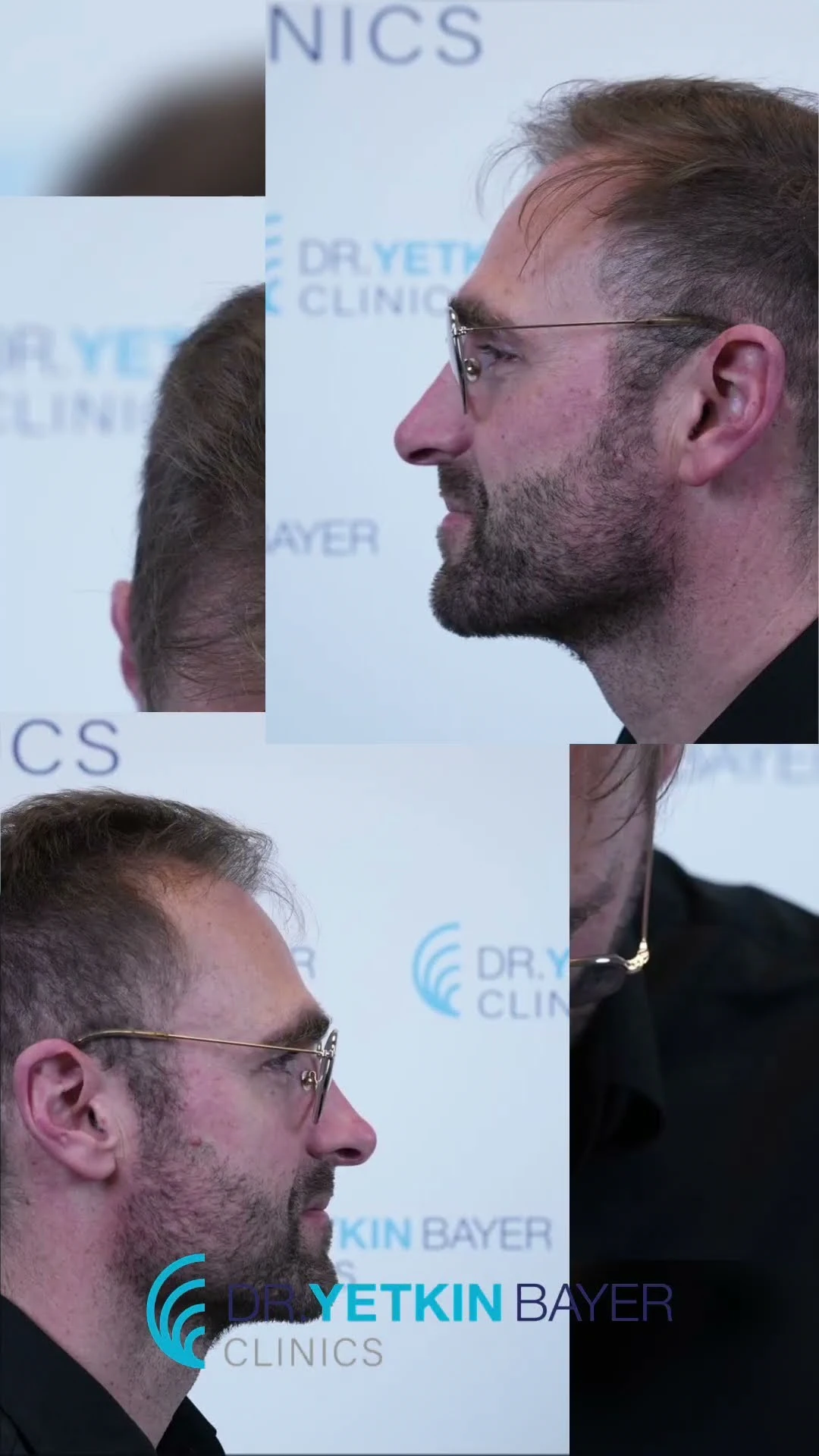
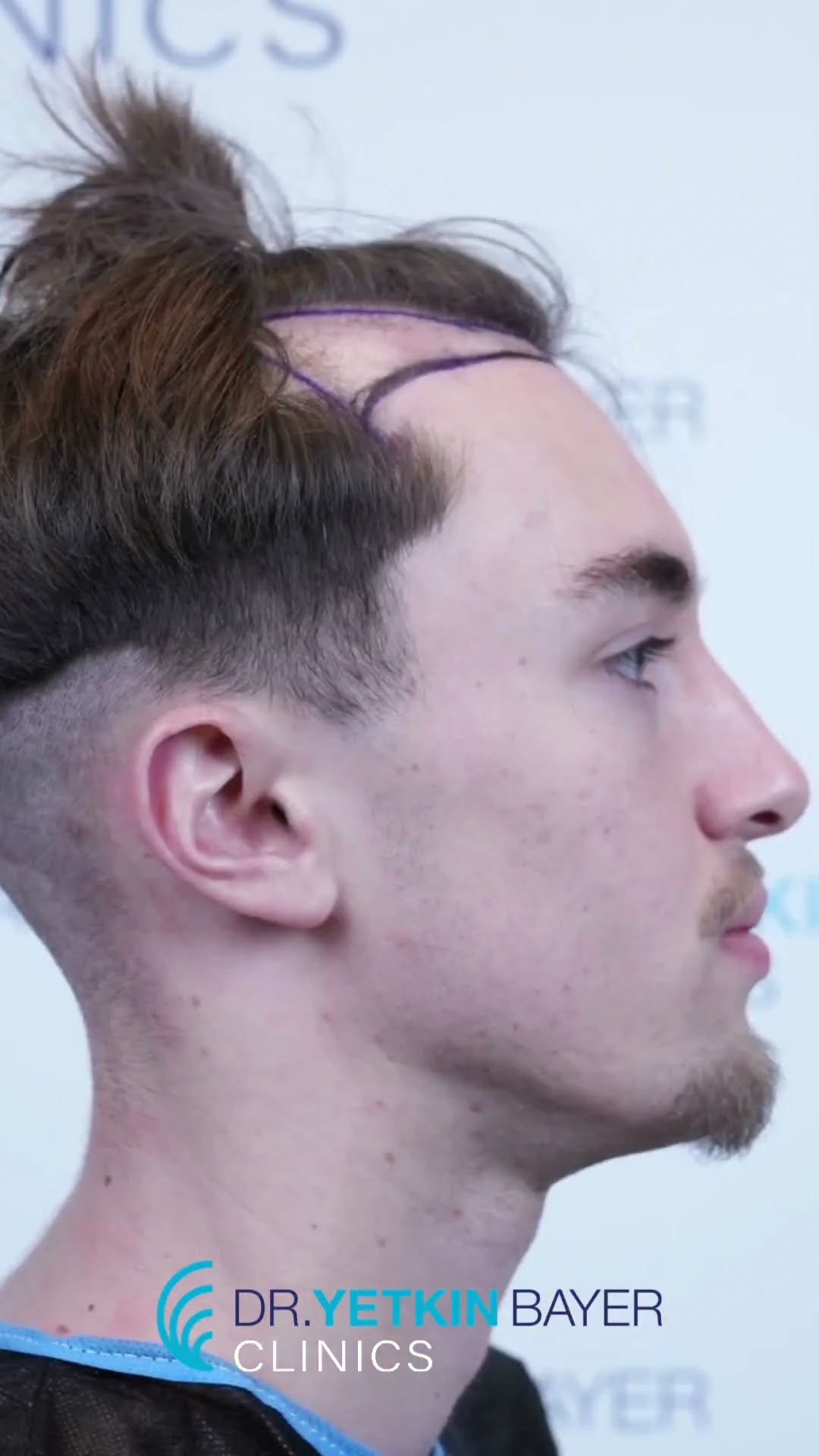
Patient feedback reflects the quality and consistency of hair transplant results. Each experience highlights natural hairline design, balanced density, and a well-managed treatment process. Patients share their journey from consultation to final results, providing insight into recovery and satisfaction. These real outcomes help new patients understand what to expect before and after the procedure.
Hair Transplant
Why Yetkin BAYER Clinic?
Yetkin BAYER Clinic offers advanced hair transplant solutions with a focus on natural results and patient safety. Each procedure is carefully planned to match the patient’s hair structure, expectations, and facial features. Modern techniques and a structured process help achieve consistent and reliable outcomes. From consultation to aftercare, every step is designed to ensure comfort and clarity.
About Us 
Advanced Techniques
Hair transplant procedures are performed using up-to-date methods such as DHI and Sapphire FUE. These techniques support precise graft placement and natural density.

Experienced Medical Team
All procedures are carried out by a trained and experienced team. Each stage is managed with attention to detail and medical standards.

Personalized Planning
Every patient receives a custom treatment plan. Hairline design and graft distribution are adjusted to suit individual needs.

Comprehensive Aftercare
Post-procedure care is clearly planned and monitored. Patients receive guidance, follow-up support, and recovery instructions for optimal results.
Services
Hair Transplantation Techniques
Hair Transplantation Process
01
Before Hair Transplantation
- Free online consultation
- Hair analysis and donor area evaluation
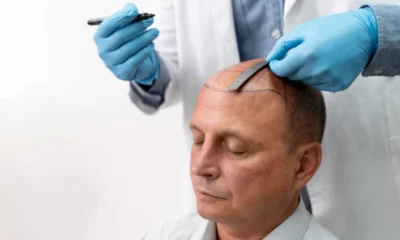
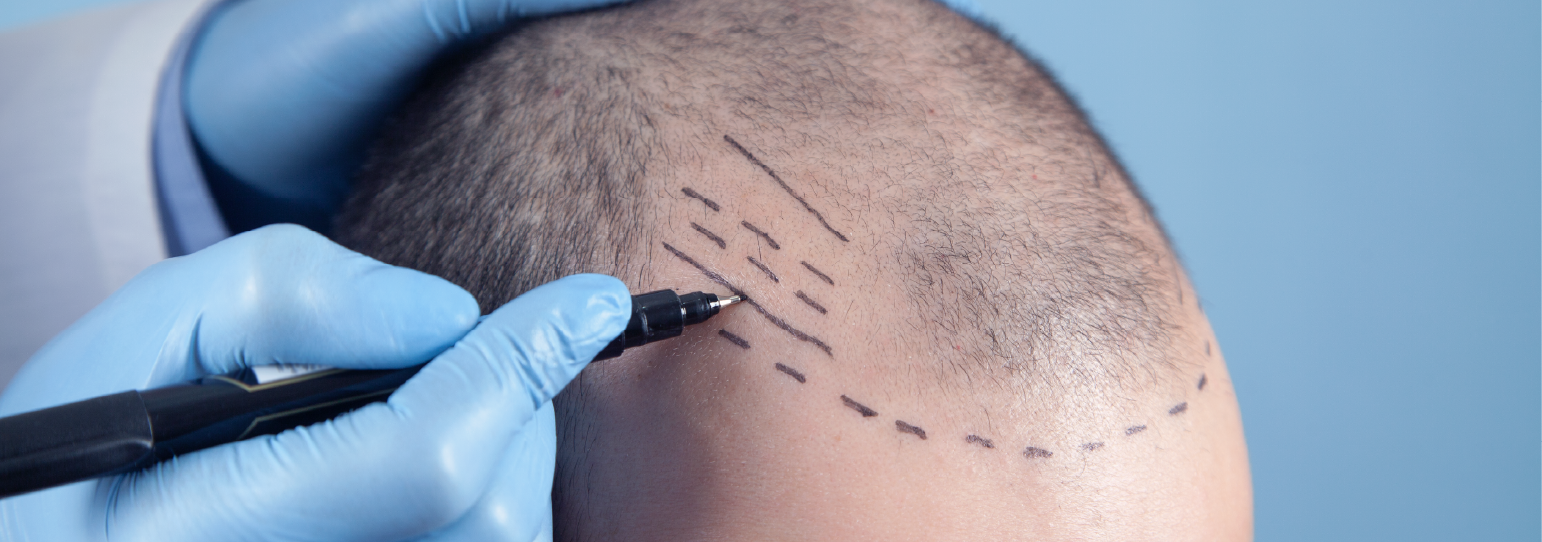
- Personalized hairline design
- Procedure planning and graft estimation
- Pre-operation instructions
- Medical suitability assessment
02
During Hair Transplantation
- Local anesthesia application
- Graft extraction from donor area
- Channel opening with appropriate technique
- Implantation of grafts
- Controlled and sterile procedure environment
- Continuous monitoring during operation
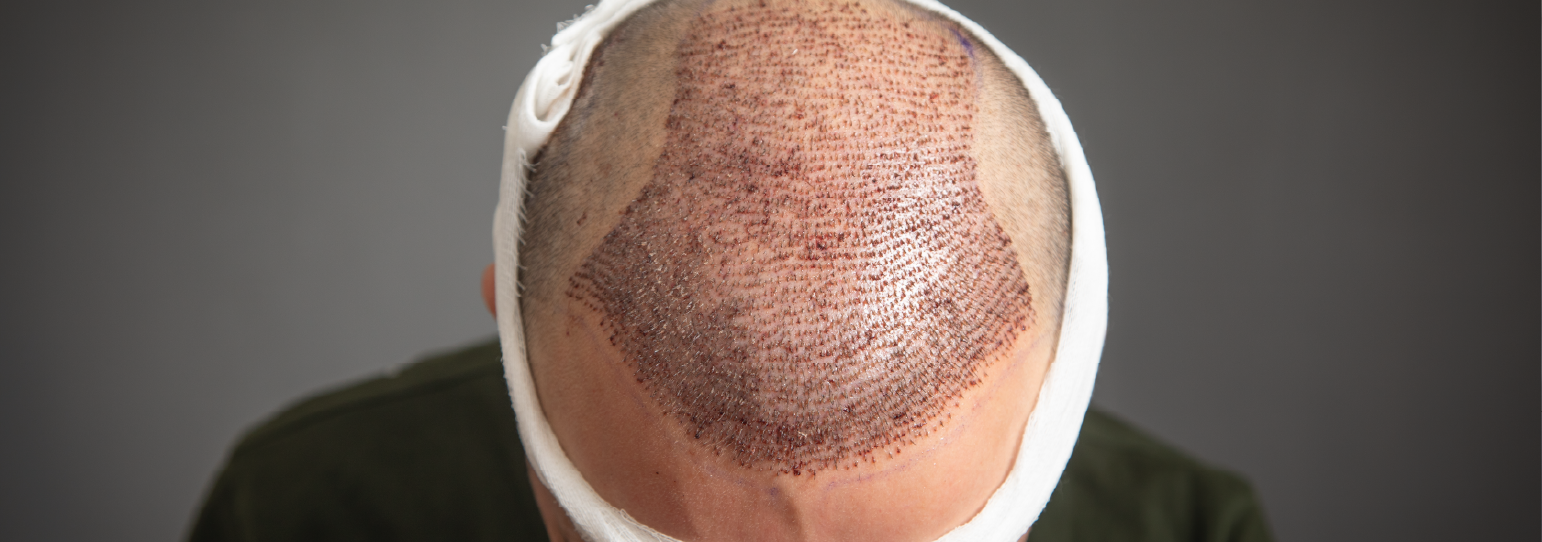
03
After Hair Transplantation
- Post-operation medications
- First hair wash procedure
- Detailed aftercare instructions
- Healing and recovery monitoring
- Follow-up support process
- Guidance for long-term results

For all types of hair loss.
Advanced Hair Transplant Solutions
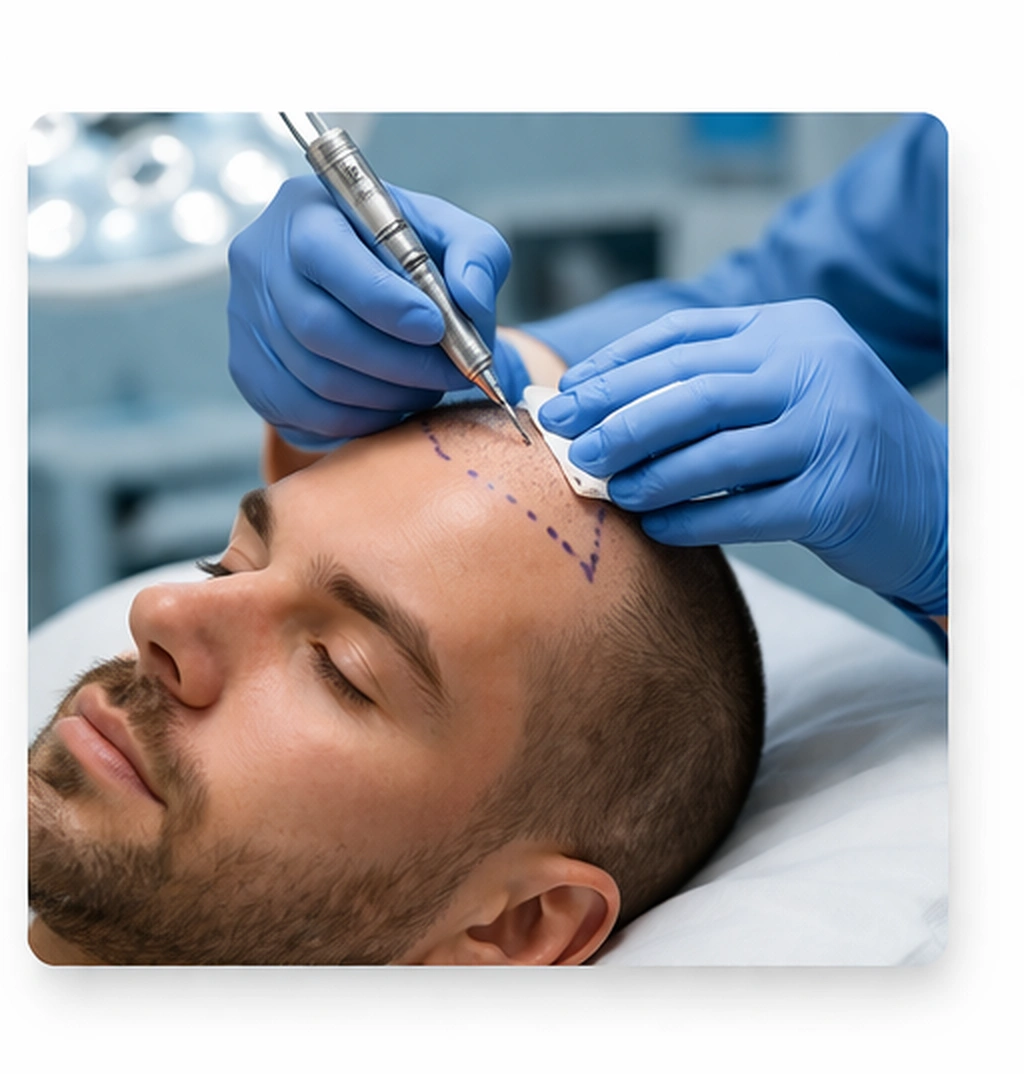
Bayer Clinic provides effective solutions for different types of hair loss with modern and carefully planned techniques. Each treatment is tailored to the patient’s individual hair structure, donor area quality, scalp condition, and expected density goals. Rather than applying the same method to every case, the process is shaped according to personal needs, the extent of hair loss, and the most suitable long-term strategy. A detailed consultation and analysis help create a clear and personalized treatment roadmap focused on achieving natural, balanced, and lasting results.
The planning stage considers not only the current appearance of the hair but also future expectations, facial proportions, and overall hairline design. This approach helps ensure that the final outcome looks harmonious and realistic. Throughout the entire process, comfort, safety, and patient satisfaction remain top priorities. From the initial assessment to the post-treatment follow-up, every step is organized with precision and care to support a smooth experience. With the right technique, detailed planning, and a patient-focused approach, Bayer Clinic aims to deliver results that feel comfortable, look natural, and provide long-term confidence.
The planning stage considers not only the current appearance of the hair but also future expectations, facial proportions, and overall hairline design. This approach helps ensure that the final outcome looks harmonious and realistic. Throughout the entire process, comfort, safety, and patient satisfaction remain top priorities. From the initial assessment to the post-treatment follow-up, every step is organized with precision and care to support a smooth experience. With the right technique, detailed planning, and a patient-focused approach, Bayer Clinic aims to deliver results that feel comfortable, look natural, and provide long-term confidence.
For all types of hair loss.
Natural Results with Modern Techniques
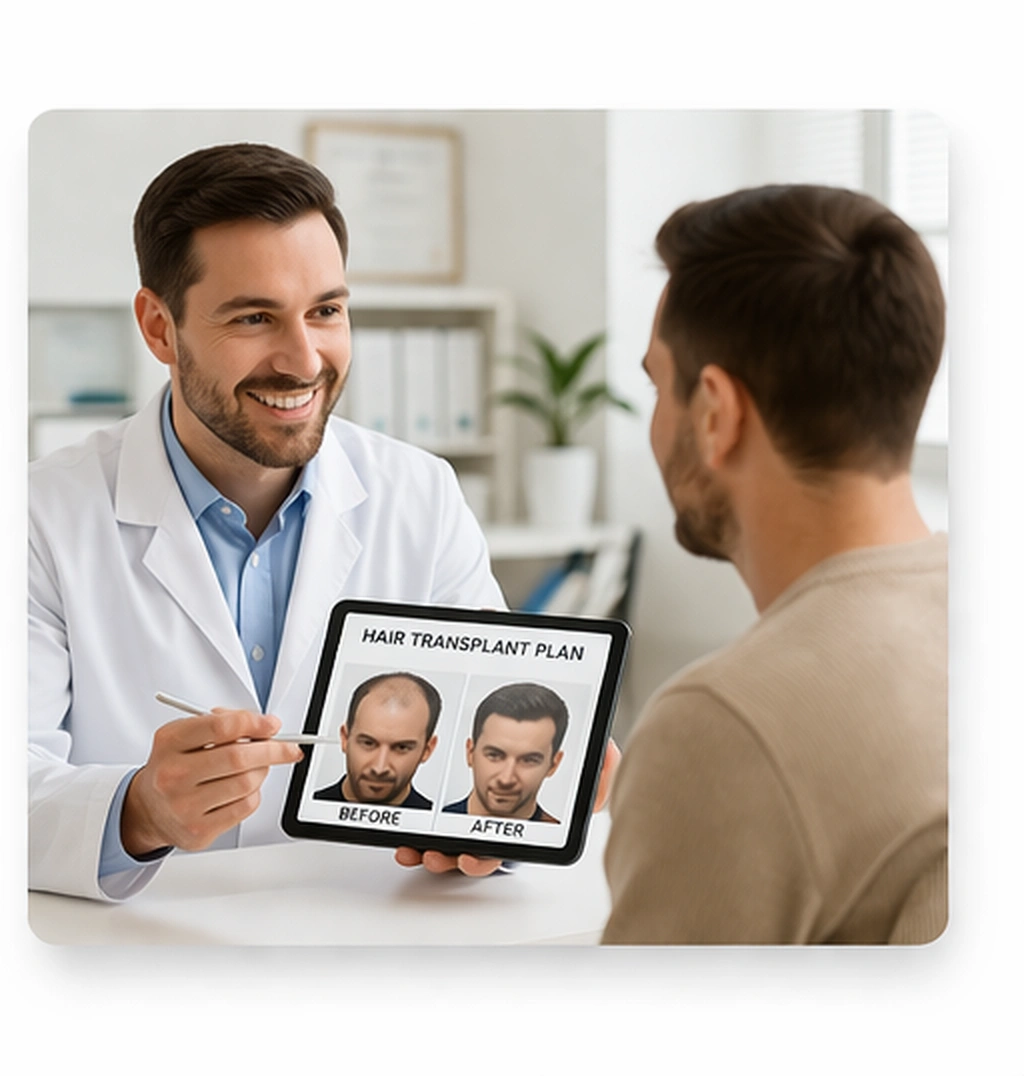
Hair transplant procedures are performed with precise planning, controlled methods, and a personalized approach for each patient. Hairline design, graft placement, and density distribution are carefully adjusted according to facial features, hair structure, donor capacity, and the overall expectations of the individual. Rather than focusing only on the treatment area, the process is planned as a whole to create a balanced and natural appearance. This approach helps achieve results that look harmonious, realistic, and suitable for long-term satisfaction.
Every stage of the procedure is carried out in a sterile, organized, and clinically supervised setting to support both safety and comfort. Detailed evaluation before treatment helps determine the most appropriate technique while also creating a clear roadmap for the procedure. During the planning phase, attention is given not only to current hair loss but also to future changes and overall aesthetic balance. With careful preparation, patient-focused care, and modern techniques, the treatment process is designed to provide a smooth experience and natural-looking results that integrate well with the patient’s existing hair.
Every stage of the procedure is carried out in a sterile, organized, and clinically supervised setting to support both safety and comfort. Detailed evaluation before treatment helps determine the most appropriate technique while also creating a clear roadmap for the procedure. During the planning phase, attention is given not only to current hair loss but also to future changes and overall aesthetic balance. With careful preparation, patient-focused care, and modern techniques, the treatment process is designed to provide a smooth experience and natural-looking results that integrate well with the patient’s existing hair.
For all types of hair loss.
Trusted Hair Restoration Experience
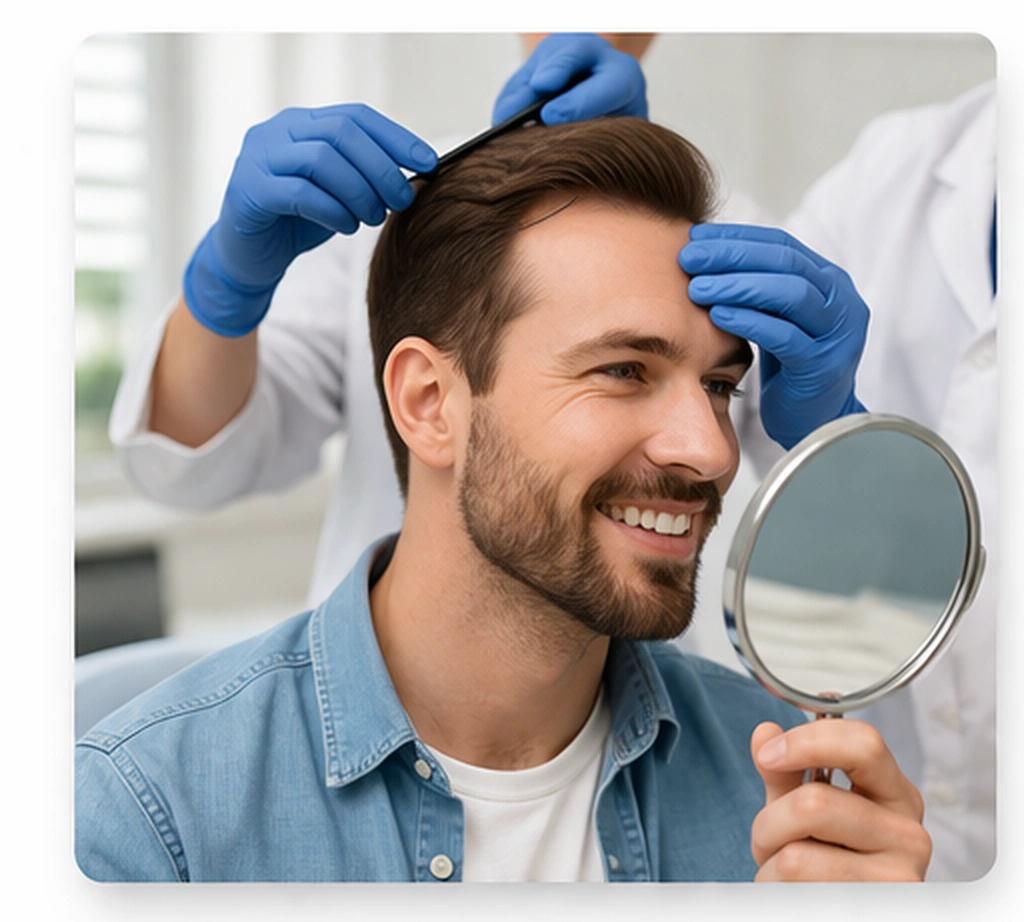
Bayer Clinic focuses on consistent results through a structured and carefully managed treatment process designed around each patient’s individual needs. From the first consultation to the final stages of aftercare, every step is clearly planned to support comfort, safety, and a natural-looking outcome. The treatment plan is based on factors such as hair structure, donor area quality, current hair loss pattern, and expected density goals. This detailed approach helps create results that look balanced, realistic, and well suited to the patient’s overall appearance.
Patients receive professional guidance before, during, and after the procedure, along with follow-up support throughout the recovery period. Each stage is monitored with attention to healing, progress, and long-term satisfaction. Rather than focusing only on the procedure itself, Bayer Clinic aims to provide a complete restoration experience built on planning, clarity, and patient-centered care. The goal is to restore hair density while maintaining a soft, natural appearance that fits facial features and supports lasting confidence.
Patients receive professional guidance before, during, and after the procedure, along with follow-up support throughout the recovery period. Each stage is monitored with attention to healing, progress, and long-term satisfaction. Rather than focusing only on the procedure itself, Bayer Clinic aims to provide a complete restoration experience built on planning, clarity, and patient-centered care. The goal is to restore hair density while maintaining a soft, natural appearance that fits facial features and supports lasting confidence.
Competent Bayer Clinic Hair Transplantation
Natural and Balanced Results
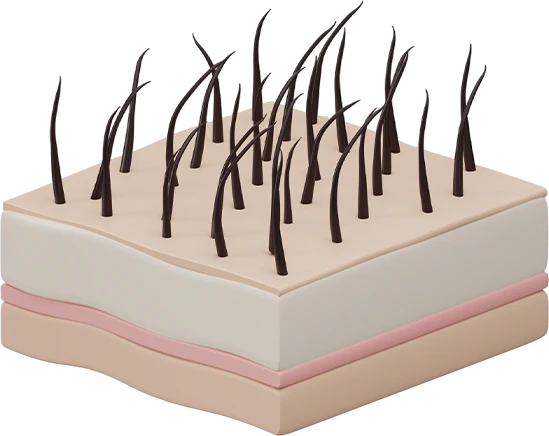
Hair transplant starts with collecting healthy grafts from the donor area and preparing them for implantation. These grafts are then placed into micro channels opened in thinning or bald areas. The most important factor is the harmony between channel direction and graft placement. When angles and density are planned correctly, the result looks natural and full. Each step is performed with precision to support strong growth and long-term success.
Operation Details
Hair transplant procedures follow a structured process from initial contact to the operation day. Each step is planned to ensure safety, clarity, and effective results. Patients are guided through consultation, evaluation, and treatment stages. This organized approach helps achieve natural outcomes and a smooth experience.

Form Submission
Please fill out the online form to provide your basic information and details about your hair loss.
Online Dating and Reservations
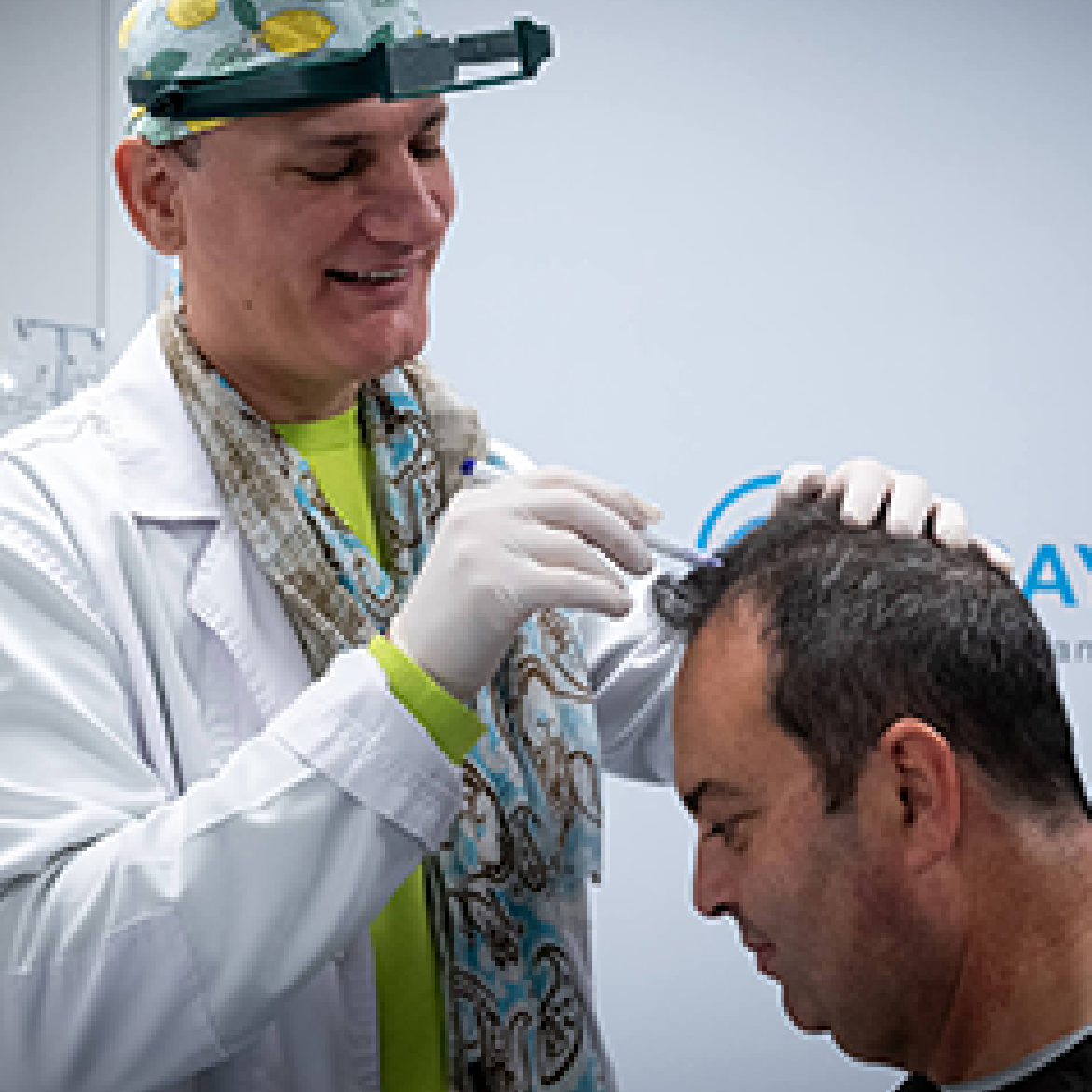
Schedule a virtual consultation with our experts to discuss your treatment options and confirm your appointment.

Medical Tests in the Clinic
Medical tests required at the clinic to ensure you are suitable for the hair transplant procedure.
Operation
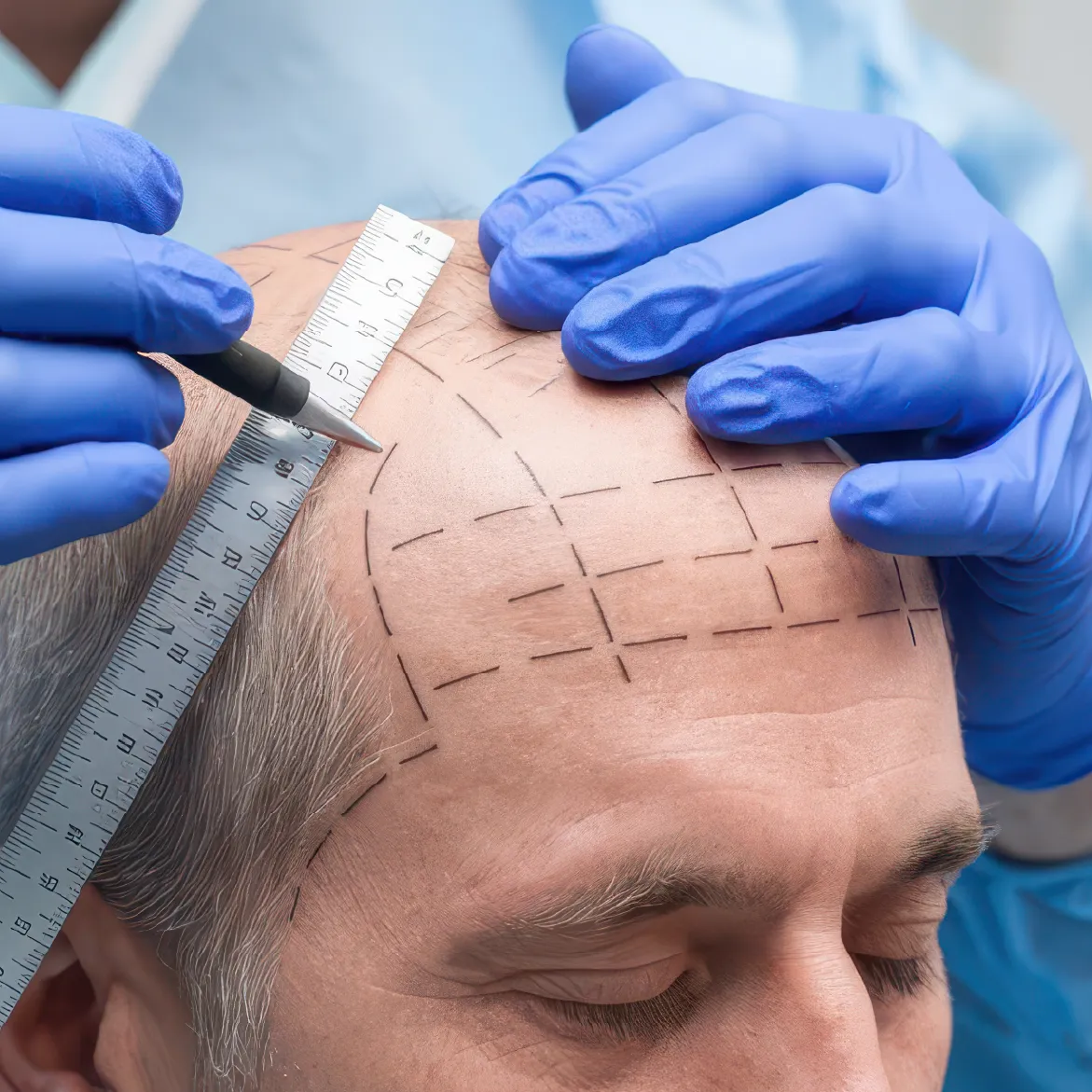
Hair transplant surgery involves removing hair follicles from a donor area and implanting new hair follicles.
FAQ
Frequently Asked Questions
How long does a hair transplant procedure take?
A hair transplant usually takes between 6 to 8 hours depending on the number of grafts. The procedure is completed in one session with planned breaks.
Is hair transplant a painful procedure?
Hair transplant is performed under local anesthesia, so pain is minimal. Patients may feel slight pressure, but discomfort is generally low.
When do hair transplant results become visible?
Initial growth starts within 3 to 4 months after the procedure. Full results are typically visible between 9 to 12 months.
Is the transplanted hair permanent?
Transplanted hair is usually permanent because it is taken from resistant donor areas. These grafts continue to grow naturally over time.
How long is the recovery process?
Most patients return to daily activities within a few days. Full healing of the scalp may take a few weeks.
Will there be scars after hair transplant?
Modern techniques minimize visible scarring. Small marks may form but usually fade and become barely noticeable.
How should I care for my hair after the procedure?
Patients receive detailed aftercare instructions including washing and medication guidance. Proper care supports faster healing and better results.
Who is a suitable candidate for hair transplant?
Individuals with sufficient donor hair and stable hair loss are suitable candidates. A medical evaluation is required before the procedure.
From You
Take a look at our patients' experiences.

Gopal Reddy
I recently had my hair treatment done at Bayer's Hair Clinic on November 6, and I couldn’t be happier with the experience. The staff was incredibly supportive, courteous, and respectful throughout the entire process, making me feel comfortable and well cared for from start to finish. The facility itself is amazing—clean, modern, and designed to provide a relaxing environment.Dr. Bayer is exceptional. He is extremely polite, caring, and has a remarkable eye for assessment. His attention to detail and thoughtful approach gave me full confidence in the procedure. I truly appreciate the professionalism and warmth shown by the entire team.Overall, a wonderful experience. I highly recommend Bayer’s Hair Clinic to anyone considering a hair restoration procedure.
Read More

Emiliano Carlucci
I had my hair transplant with Dr. Yetkin Bayer’s team a few says ago and my experience so far has been very positive.
The pre-operative process was clear and well organized. The medical staff explained every step in detail and I felt informed and comfortable throughout the procedure. The surgery day was handled professionally and efficiently.
The post-operative follow-up has also been consistent and responsive. The team has been available to answer questions and provide guidance during the recovery phase, which is very important in the first few days after surgery.
It is obviously too early to comment on the final result, but based on the organization, professionalism and follow-up care, I feel confident about my choice.
Read More

Saleem Aslam
I recently had my hair transplant procedure done by Dr. Yetkin Bayer and I am extremely satisfied with the entire experience. From the initial consultation to the final results, everything was handled with professionalism and care. The doctor explained the procedure in detail, answered all my questions patiently, and made me feel completely comfortable. The procedure itself was smooth, and the results look very natural. The clinic staff was also friendly and supportive throughout the process. I highly recommend Dr. Yetkin Bayer to anyone considering a hair transplant. Truly a wonderful experience!
Read More

Sayeed-Ul Mursalin
I went for my hair transplantation surgery at this clinic on January 8, 2026 from Singapore. From booking an appointment to sharing key information, Martina assisted me over a period of time. Further, I spoke to Dr. Yetkin beforehand who clarified my clarifications and reassured his team's assistance. The moment I arrived at the clinic, I was greeted by Martina and her colleague Basma. Everything was taken well care of including the surgery, post-surgery care etc. Right after the surgery, another medical assistant (Ali) from this clinic's postoperative care department got in touch with me as part of their follow-up instructions and care. Obviously, I bombarded Ali with a lot of clarifications since it was my first time having such a major surgery. Ali responded and is actively responding to my clarifications without any delay. In a nutshell, I have had a pleasant experience at Dr. Yetkin Bayer Clinic and confirm that they have an efficient and supportive team. I do not have any reservations in recommending this clinic.
Read More

Miloud
From Start to Finish - Outstanding Care at Dr. Yetkin Bayer Clinic.Upon arrival, I was warmly welcomed by Dr. Yetkin's team; especially by Mrs. Basma. After Dr. Yetkin, together with me and his team, made the diagnosis and drew the design on my head for which I am very grateful they immediately started with the implantation.
Dr.Yetkin closely monitors his patients and carefully follows their progress throughout the process. short, it was a very pleasant s and positive experience.
The aftercare is also perfectly organized by Dr. Yetkin and his team.
would like to sincerely thank Dr. Yetkin and the entire team, especially Basma and Martina, for their excellent work and care. I highly recommend the Dr. Yetkin Bayer Clinic to anyone who is considering a hair transplant.
Read More
Blog
Latest Posts