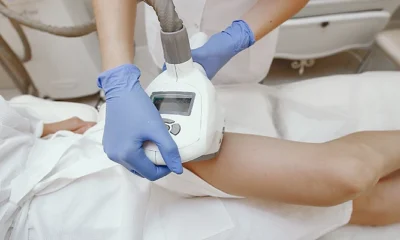
What is the Alexandrite Apogee Cynosure Laser System?
The Alexandrite Apogee Cynosure Laser System is a state-of-the-art laser technology primarily used for hair removal. It utilizes an Alexandrite laser, known for its efficiency and precision, to target hair follicles without harming the surrounding skin. This system is recognized for its versatility and is often used in aesthetic treatments due to its ability to treat a wide range of skin types and hair colors. The Alexandrite laser operates at a wavelength of 755 nm, which allows it to penetrate deeply into the skin and effectively target the melanin in hair follicles, leading to long-lasting hair reduction.
How Does the Alexandrite Apogee Cynosure Work?
The Alexandrite Apogee Cynosure works by emitting a concentrated light beam at a specific wavelength (755 nm) that is absorbed by the pigment (melanin) in the hair follicles. This light is converted into heat, which damages the follicles and inhibits their ability to grow hair. The energy delivered by the laser is highly selective, meaning it targets only the hair follicle, leaving the surrounding skin untouched. The system uses a cooling mechanism to minimize discomfort during the treatment, making it more comfortable for patients. The Alexandrite laser is especially effective for individuals with lighter skin tones and darker hair.
Benefits of Using the Alexandrite Apogee Cynosure Laser for Hair Removal
The Alexandrite Apogee Cynosure Laser offers several benefits for hair removal. First, it is highly effective, especially for individuals with lighter skin and darker hair, as it targets melanin in the hair follicles. The laser provides fast treatment sessions, making it ideal for larger areas like the legs, back, and chest. Another benefit is its precision; the laser selectively targets hair follicles without damaging the surrounding skin, ensuring minimal side effects. The system’s cooling technology also helps reduce discomfort during the procedure, offering a more comfortable experience for patients. Additionally, the results from Alexandrite laser hair removal are long-lasting, often requiring fewer sessions compared to other methods.
Alexandrite Apogee Cynosure vs. Other Laser Systems: A Comparison
When comparing the Alexandrite Apogee Cynosure laser to other laser systems, one of its major advantages is its wavelength of 755 nm, which is particularly effective for individuals with light to medium skin tones and dark hair. In contrast, other lasers like the Diode laser and Nd:YAG laser can be more suitable for darker skin tones. While Alexandrite lasers are generally faster, especially for larger treatment areas, Diode lasers may be better for deeper penetration, and Nd:YAG lasers are considered safer for darker skin types. The Alexandrite Apogee Cynosure system stands out for its combination of efficiency, speed, and precision, making it a top choice for hair removal, particularly for those with fair to medium skin and coarse, dark hair.
Applications of Alexandrite Apogee Cynosure in Aesthetic Treatments
Beyond hair removal, the Alexandrite Apogee Cynosure laser is also used in a variety of aesthetic treatments. It is commonly employed in the treatment of pigmented lesions, such as sunspots, age spots, and freckles. The laser’s ability to target melanin makes it effective in treating these types of skin discolorations. Additionally, the Alexandrite laser is used for skin rejuvenation and can help improve the appearance of fine lines, wrinkles, and skin texture. It is also utilized for vascular treatments, such as reducing the appearance of spider veins and redness on the skin. Its versatility and effectiveness in addressing a range of skin issues make it a popular choice in aesthetic medicine.
Is the Alexandrite Apogee Cynosure Safe for All Skin Types?
The Alexandrite Apogee Cynosure laser is most effective on lighter skin tones, as its wavelength of 755 nm is best absorbed by dark hair and lighter skin. However, it may not be suitable for darker skin types due to the increased risk of hyperpigmentation or burns. For individuals with darker skin tones, other laser systems, such as Nd:YAG lasers, may be safer and more effective. It is important for patients to undergo a thorough consultation with a trained specialist to determine the most suitable treatment based on their skin type, hair color, and other factors. Proper safety measures and cooling mechanisms are employed during the procedure to minimize risks and ensure comfort.
Alexandrite Apogee Cynosure: Key Features and Technologies
The Alexandrite Apogee Cynosure laser is equipped with several key features and technologies that make it effective and efficient for various aesthetic treatments. It operates with a 755 nm wavelength, which is ideal for targeting melanin in hair follicles and pigmentation in the skin. The system uses advanced cooling technology to reduce discomfort and minimize side effects during treatments. It also offers adjustable settings, allowing practitioners to customize the treatment based on the patient’s skin type, hair color, and the area being treated. The Apogee system is known for its speed, allowing large areas to be treated quickly, and its precision, which helps avoid damaging surrounding tissues. These features contribute to the system’s high effectiveness and patient satisfaction.
What Makes the Alexandrite Apogee Cynosure Laser Ideal for Sensitive Skin?
The Alexandrite Apogee Cynosure laser is ideal for sensitive skin due to its built-in cooling technology. This cooling mechanism helps to soothe the skin during the treatment, reducing the likelihood of irritation or discomfort. The laser’s precise targeting of the hair follicle means that it can effectively treat unwanted hair without causing damage to the surrounding skin, which is especially important for individuals with sensitive or delicate skin. The system’s ability to offer fast treatments with minimal downtime also contributes to its suitability for sensitive skin, as patients can expect a shorter recovery period and less irritation post-treatment compared to other methods. However, as with any cosmetic treatment, it is important to consult with a qualified specialist to ensure the procedure is suitable for your skin type.
Cost of Alexandrite Apogee Cynosure Treatment 2026: What You Need to Know
The cost of Alexandrite Apogee Cynosure treatments varies depending on the type of procedure, the area being treated, and the clinic’s location. On average, laser hair removal using the Alexandrite Apogee Cynosure system can range from $150 to $500 per session. Larger areas, like the back or legs, may cost more. For tattoo removal or skin rejuvenation treatments, the cost can be higher, typically ranging from $200 to $600 per session. It’s important to note that multiple sessions are often required to achieve optimal results, and the total cost will depend on how many treatments are necessary. While the Alexandrite laser treatment is more affordable than other methods, patients should consider the overall treatment package when budgeting.
Side Effects and Risks of Alexandrite Apogee Cynosure Treatments
While the Alexandrite Apogee Cynosure laser is generally safe and effective, there are some potential side effects and risks. Common side effects include redness, swelling, and slight discomfort in the treated area, which typically subside within a few hours to a couple of days. Some individuals may experience mild skin irritation or temporary darkening or lightening of the skin, especially those with darker skin tones. These side effects are usually temporary but can sometimes persist. Rare risks include burns, scarring, or blistering if the treatment is not performed correctly or if proper aftercare is not followed. It’s crucial to consult with a trained professional to minimize risks and ensure the treatment is tailored to your skin type.
How Effective is the Alexandrite Apogee Cynosure for Tattoo Removal?
The Alexandrite Apogee Cynosure laser is highly effective for tattoo removal, particularly for tattoos with dark ink. The 755 nm wavelength of the Alexandrite laser targets and breaks down the pigment in the tattoo, allowing the body to naturally eliminate the ink over time. The laser is particularly effective on black, blue, and green pigments. Multiple sessions are typically required to fully remove a tattoo, with each session spaced several weeks apart to allow the skin to heal. While the Alexandrite laser is effective, results may vary based on the size, color, and depth of the tattoo, as well as the individual’s skin type. Lighter ink tattoos or tattoos located on difficult-to-reach areas may require specialized treatment.
Alexandrite Apogee Cynosure for Skin Rejuvenation: Benefits and Results
The Alexandrite Apogee Cynosure laser is also used for skin rejuvenation treatments, offering numerous benefits. The laser can treat pigmented lesions, sunspots, age spots, freckles, and uneven skin tone by targeting melanin in the skin. It’s also effective for reducing the appearance of fine lines and wrinkles by stimulating collagen production. The results of skin rejuvenation treatments typically improve over time as the body produces new collagen. Most patients experience smoother, clearer skin with a more youthful appearance after a few sessions. The treatment is non-invasive, with minimal downtime, making it an ideal option for individuals looking to enhance their skin’s appearance without undergoing more aggressive procedures.
How Long Do Alexandrite Apogee Cynosure Laser Treatments Take?
The duration of Alexandrite Apogee Cynosure laser treatments can vary depending on the area being treated. For smaller areas, such as the upper lip or underarms, the treatment typically takes around 15 to 30 minutes. Larger areas, like the back or legs, may take 45 minutes to an hour. For tattoo removal, each session may last anywhere from 30 minutes to an hour, depending on the size and location of the tattoo. Skin rejuvenation treatments can also vary in length, with sessions generally lasting 20 to 40 minutes. Overall, the treatments are relatively quick, with minimal discomfort during the procedure due to the laser’s cooling technology.
Choosing the Best Clinic for Alexandrite Apogee Cynosure Treatments
Choosing the best clinic for Alexandrite Apogee Cynosure treatments requires careful research. Look for a clinic that is staffed by certified and experienced practitioners who specialize in laser treatments. The clinic should be equipped with state-of-the-art technology, including the Alexandrite Apogee Cynosure system, and adhere to high medical standards. Reviews and testimonials from previous patients can provide valuable insight into the clinic’s quality of service and results. It’s also essential to ensure the clinic offers personalized consultations to discuss your specific needs, such as your skin type, treatment goals, and medical history. By selecting a reputable clinic, you can ensure a safe and effective treatment experience.
Preparing for Your Alexandrite Apogee Cynosure Session
Proper preparation is key to ensuring the best results from your Alexandrite Apogee Cynosure session. Before the treatment, avoid sun exposure for at least two weeks, as this can increase the risk of complications such as pigmentation changes or burns. It’s also recommended to avoid using tanning beds or self-tanning products prior to treatment. During your consultation, inform the practitioner about any medications you are taking or if you have any skin conditions, as these could impact the treatment. Shaving the treatment area before the session may be required, especially for hair removal treatments. Lastly, be prepared for some mild discomfort during the procedure, although the laser’s cooling technology will help reduce this.
Alexandrite Apogee Cynosure: Recovery Time and Aftercare Tips
Recovery after Alexandrite Apogee Cynosure treatments is typically quick, with most patients experiencing minimal downtime. For laser hair removal, redness and mild swelling are common but usually subside within a few hours to a day. Skin rejuvenation treatments may cause slight irritation, redness, or swelling, which typically resolves within a few days. After the procedure, it is essential to protect the treated area from sun exposure by applying sunscreen with a high SPF. Avoid touching or scratching the treated area, and follow any specific aftercare instructions provided by the practitioner. Hydrating the skin and using soothing lotions may help with recovery. For tattoo removal, you may experience scabbing or blistering, which should heal naturally with proper care. Most patients can return to their normal activities within a few days, but strenuous activities should be avoided for at least 24 to 48 hours.