Is Plasma Pen Safe for All Skin Types?
Plasma Pen is generally safe for all skin types, but individuals with certain skin conditions, such as eczema, psoriasis, or active infections, should consult with a qualified practitioner before undergoing treatment. The treatment uses plasma energy to target the skin’s surface, which can lead to mild irritation or discomfort. For those with darker skin tones, extra care should be taken to avoid hyperpigmentation or scarring. A thorough consultation with a licensed professional will ensure that Plasma Pen is safe for your specific skin type and condition, as they can adjust settings and techniques to optimize safety and results.
How Plasma Pen Stimulates Collagen Production for Firmer Skin
The Plasma Pen stimulates collagen production through a process called fibroblasting. The plasma energy delivered by the pen creates tiny superficial injuries to the skin, which prompts the body’s natural healing process. This results in an increase in collagen and elastin production, two essential proteins responsible for skin firmness and elasticity. Over time, the skin becomes firmer, smoother, and more youthful-looking as the body works to repair and regenerate tissue. The effects of increased collagen production can continue to improve the skin for 3 to 6 months after treatment, providing long-lasting results.
Plasma Pen for Skin Tightening: Effectiveness and Results
Plasma Pen is highly effective for skin tightening, particularly for areas where skin laxity is noticeable, such as the jawline, neck, and around the eyes. By stimulating collagen production, Plasma Pen helps to tighten and lift sagging skin. Results are typically visible within a few days to weeks, with continued improvements over the following months as collagen and elastin levels increase. Plasma Pen provides a non-surgical alternative to facelifts and laser treatments, making it an ideal option for individuals looking for a subtle yet effective skin tightening solution without the risks and downtime associated with surgery.
What to Expect During a Plasma Pen Treatment Session
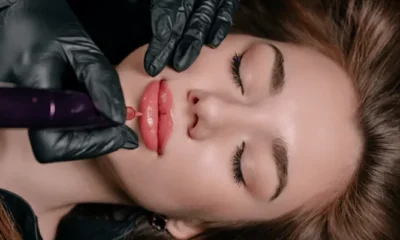
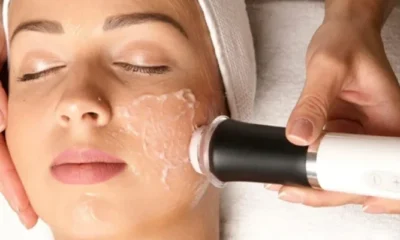
During a Plasma Pen treatment, the practitioner will first apply a numbing cream to the treatment area to minimize discomfort. After the numbing cream takes effect, the Plasma Pen device will be used to create small, controlled pulses of plasma energy onto the skin. These pulses cause micro-injuries to stimulate collagen and elastin production. The treatment may feel like a mild snapping or tingling sensation, but the numbing cream typically reduces pain or discomfort. The procedure usually lasts 30 to 60 minutes, depending on the area being treated. After the treatment, you may notice some redness and swelling, which typically subsides in a few hours to a few days.
How Many Plasma Pen Sessions Are Needed for Visible Results?
For most individuals, 1 to 2 sessions of Plasma Pen treatment are typically enough to achieve visible results. However, for more significant skin tightening or deeper wrinkles, 3 to 4 sessions spaced about 4 to 6 weeks apart may be recommended. The number of sessions depends on your skin’s condition, the area treated, and the desired results. Maintenance sessions every 6 to 12 months may also be needed to sustain the effects, particularly if you want to maintain the results of skin lifting and tightening.
Side Effects and Risks of Plasma Pen Treatment
While Plasma Pen is generally considered safe, there are some potential side effects and risks. The most common side effects include temporary redness, swelling, and mild discomfort in the treated area. Some individuals may also experience scabbing or crusting as the skin heals, which is a normal part of the recovery process. In rare cases, there may be a risk of hyperpigmentation, hypopigmentation, or scarring if the treatment is not performed correctly or after inadequate healing. Following post-treatment care instructions and choosing a skilled, experienced practitioner can minimize the risk of complications.
Plasma Pen for Acne Scars: How Effective Is It?
Plasma Pen can be highly effective for treating acne scars by stimulating the skin’s natural healing process and promoting the production of collagen. It works by targeting the deeper layers of the skin where the scar tissue exists, helping to remodel and smooth the skin’s surface. Over time, Plasma Pen reduces the appearance of both depressed and pigmented acne scars, providing smoother, more even skin. Results can be seen after a few treatments, and many patients report a significant improvement in skin texture and tone, though multiple sessions may be required for deeper or more stubborn scars.
How Long Do Plasma Pen Results Last?
The results from Plasma Pen treatments can last anywhere from 1 to 3 years, depending on factors such as the area treated, the individual’s skin, and lifestyle choices. The treatment stimulates the production of collagen and elastin, which helps to tighten and smooth the skin over time. While the effects are long-lasting, natural aging processes, lifestyle factors, and exposure to the sun can impact the longevity of the results. For optimal maintenance, periodic touch-up sessions may be recommended.
Plasma Pen for Eyelid Tightening: Non-Surgical Blepharoplasty
Plasma Pen is an excellent non-surgical alternative to blepharoplasty (eyelid surgery) for eyelid tightening. It works by using plasma energy to create small, controlled injuries on the skin’s surface, stimulating collagen and elastin production. This results in firmer and lifted eyelids without the need for incisions or sutures. Plasma Pen is ideal for those who want to address drooping eyelids or fine lines around the eyes, and it can provide noticeable improvements with minimal downtime. Results are typically seen within a few weeks, with continued tightening and rejuvenation over the following months.
Cost of Plasma Pen Treatment 2026 : What You Need to Know
The cost of Plasma Pen treatment can vary depending on the area being treated, the clinic’s location, and the number of sessions required. On average, small areas like crow’s feet or upper eyelids may cost between $250 to $500 per session. Larger areas, such as full face lifting or neck tightening, can cost between $1,000 and $2,500 per session. Since multiple sessions may be required for optimal results, the total cost can vary. Many clinics offer package deals or financing options to help make the treatment more affordable. Be sure to consult with your practitioner for a detailed cost estimate based on your needs.
Post-Treatment Care After Plasma Pen: Tips for Best Results
After a Plasma Pen treatment, it’s essential to follow the aftercare instructions to ensure optimal results and minimize the risk of complications:
Avoid sun exposure for at least 2 weeks and use a high SPF sunscreen to protect the treated area.
Do not pick or scratch the treated area, as this can cause scarring.
Moisturize the treated skin regularly to promote healing and prevent dryness.
Avoid sweating and intense physical activity for 48 hours after treatment.
Keep the area clean and follow any additional post-care guidelines provided by your practitioner to support healing.
How Plasma Pen Can Improve Skin Tone and Texture
Plasma Pen enhances skin tone and texture by stimulating the production of collagen and elastin, leading to firmer, more even skin. The treatment promotes cell regeneration and improves the skin’s smoothness, helping to reduce the appearance of wrinkles, fine lines, and uneven skin tone. It is particularly effective for targeting sun damage, hyperpigmentation, and age spots, providing a more youthful and glowing complexion. Plasma Pen also enhances skin elasticity, making it a highly effective treatment for rejuvenating the skin without the need for invasive procedures.
Plasma Pen for Skin Lifting: Non-Surgical Facelift Options
Plasma Pen offers a non-surgical facelift by using plasma energy to stimulate deep layers of the skin. The procedure tightens the skin, reduces wrinkles, and enhances overall firmness. The plasma energy creates micro-injuries in the skin, which encourages the production of collagen and elastin, leading to improved skin texture and a more youthful appearance. Plasma Pen is ideal for individuals looking for a non-invasive solution to lift and tighten skin on the face, neck, and jawline, offering noticeable results without the need for surgery.
Who is an Ideal Candidate for Plasma Pen Treatment?
The ideal candidate for Plasma Pen treatment is someone who is looking for a non-invasive solution for skin rejuvenation, tightening, and anti-aging. It is suitable for individuals with fine lines, wrinkles, sagging skin, or uneven skin tone. Plasma Pen is also effective for those with acne scars or sun damage. Candidates should be in good overall health and have realistic expectations about the results. It is important to consult with a qualified practitioner to determine if Plasma Pen is the right treatment for your skin concerns.
Is Plasma Pen Painful? What to Expect During and After the Procedure
Plasma Pen treatment is generally not considered highly painful, but some discomfort is normal. Before the procedure, a topical numbing cream is applied to the treatment area to reduce pain. During the treatment, you may feel a slight stinging or tingling sensation, especially in sensitive areas. After the procedure, you may experience some swelling, redness, or tenderness, but these effects typically subside within a few hours to a few days. The pain level is generally manageable, and most patients find the treatment to be tolerable.
The Future of Plasma Pen in Aesthetic and Cosmetic Treatments
The future of Plasma Pen in aesthetic treatments looks promising, with advancements in technology making the device more efficient and effective. As demand for non-surgical skin rejuvenation increases, Plasma Pen is likely to become even more popular due to its ability to offer skin tightening, wrinkle reduction, and collagen stimulation without the need for invasive procedures. New techniques and improved devices may enhance its precision, speed, and overall results, making Plasma Pen a leading option in the realm of non-invasive facial treatments and skin rejuvenation.