How Long Does Permanent Makeup Last?
Permanent makeup typically lasts between 1 to 3 years, depending on various factors such as the type of procedure, the individual’s skin type, lifestyle, and how well the aftercare instructions are followed. Areas like eyebrows and eyeliner tend to last longer, while lip color may need more frequent touch-ups due to natural exfoliation of the lips. Over time, the pigment may fade slightly, but with proper maintenance and occasional touch-ups, the effects of permanent makeup can be long-lasting and require less daily effort than traditional makeup.
Is Permanent Makeup Safe for All Skin Types?
Permanent makeup is generally safe for most skin types. However, individuals with sensitive skin, skin conditions (such as eczema or psoriasis), or active infections should consult with a qualified technician before undergoing the procedure. Additionally, people with oily skin may find that permanent makeup fades faster due to the increased oil production. It’s crucial to have a consultation with a licensed practitioner who can assess your skin type and recommend the most suitable pigment and technique to ensure a safe and successful outcome.
What to Expect During a Permanent Makeup Procedure
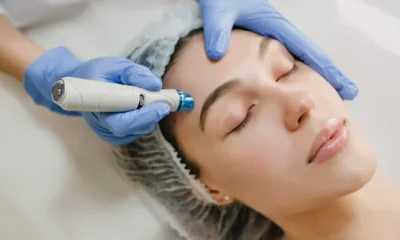
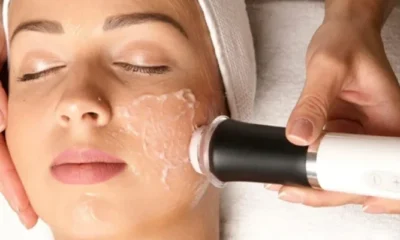
During a permanent makeup procedure, the technician will first discuss your desired results and choose the appropriate pigment color. A topical numbing cream will be applied to the treatment area to ensure comfort. The technician will then use a specialized tool or machine to deposit the pigment into the skin in precise strokes or lines. The procedure typically lasts between 1 to 2 hours depending on the area being treated (e.g., eyebrows, eyeliner, lips). You may feel some mild discomfort, but the numbing cream will minimize any pain. After the procedure, the treated area may appear slightly red or swollen, but this usually subsides within a few hours.
How Permanent Makeup Enhances Natural Features
Permanent makeup enhances your natural features by providing defined, symmetrical lines without the daily effort of applying traditional makeup. For example, eyebrow tattoos can fill in sparse areas, creating fuller, more defined brows, while permanent eyeliner can make the eyes appear larger and more defined. Permanent lip color can add a subtle flush or help with lip definition, making lips look fuller and more symmetrical. These enhancements are ideal for individuals who want to save time on their daily beauty routine or those who have difficulty applying makeup due to factors like allergies, vision issues, or arthritis.
Permanent Makeup vs. Traditional Makeup: Key Differences
Permanent makeup differs from traditional makeup in that it is a semi-permanent solution applied to the skin using tattooing techniques. Traditional makeup requires daily application and removal, while permanent makeup provides a long-lasting solution that lasts anywhere from 1 to 3 years. Permanent makeup offers a more natural, time-saving alternative for those seeking consistent, smudge-proof results. It is especially beneficial for people with active lifestyles, allergies, or those with visual impairments. However, traditional makeup offers more flexibility and the ability to change looks frequently, whereas permanent makeup is a more fixed option.
How to Prepare for a Permanent Makeup Session
To prepare for a permanent makeup session, avoid using any blood-thinning medications (such as aspirin or ibuprofen) for a few days before the procedure, as they may increase the risk of bruising. Refrain from alcohol consumption for 24 hours before the treatment, as it can also contribute to swelling. If you are having eyebrow tattooing, avoid tweezing or waxing the area beforehand. For lip tattooing, avoid lip balms with strong active ingredients. It’s also recommended to arrive with clean skin, free from makeup, to ensure the technician has a fresh canvas to work with.
Side Effects and Risks of Permanent Makeup
The risks and side effects of permanent makeup are generally mild but can include redness, swelling, itching, or scabbing during the healing process. In rare cases, individuals may experience allergic reactions to the pigments, infection, or scarring. Improper aftercare or unlicensed practitioners can increase these risks. It’s essential to follow aftercare instructions carefully, such as avoiding sun exposure and refraining from picking at the treated area. Choosing a licensed and experienced practitioner can significantly reduce the chances of side effects or complications.
How Much Does Permanent Makeup Cost 2026 ?
The cost of permanent makeup varies depending on the area treated and the complexity of the procedure. On average, eyebrow tattoos can cost between $300 to $800, eyeliner tattoos range from $400 to $1,000, and lip tattoos can cost between $500 to $1,500. Touch-up sessions, typically required every 6 to 12 months, are generally less expensive. Costs can also vary based on the technician’s experience and the clinic’s location. While permanent makeup may have a higher upfront cost than traditional makeup, it can save time and money in the long run by eliminating the need for daily makeup application.
Can Permanent Makeup Be Removed or Corrected?
Permanent makeup can be removed or corrected, but the process can be time-consuming and may require multiple treatments. Laser removal is the most common method for eliminating unwanted permanent makeup, but it may not be as effective for all pigments, especially lighter or organic colors. Correction procedures are also possible for those who are unhappy with the initial result, such as adjusting the color or shape of eyebrows or eyeliner. It’s essential to choose a skilled technician who can provide the most accurate application and avoid the need for removal or correction.
Who is an Ideal Candidate for Permanent Makeup?
The ideal candidate for permanent makeup is someone who seeks a long-lasting, low-maintenance beauty solution. It is particularly beneficial for individuals with busy lifestyles, allergies to conventional makeup, vision impairments, or limited dexterity. Those with sparse or thinning eyebrows, uneven lip lines, or those looking to enhance their eye definition can benefit from permanent makeup. It is important to be in good overall health and not have any active skin infections or allergies to pigments. A consultation with a trained practitioner will help determine if permanent makeup is suitable for your specific needs.
Permanent Makeup for Eyebrows: Benefits and Techniques
Permanent makeup for eyebrows is one of the most popular treatments, especially for those with sparse, thin, or over-plucked eyebrows. Techniques like microblading and powder brows are used to create natural-looking, full brows that last. Microblading involves creating fine, hair-like strokes that mimic natural eyebrow hairs, while powder brows provide a soft, filled-in look with a more defined shape. Permanent eyebrows can save time on daily makeup application and provide more symmetry and definition to the face. The results are generally long-lasting and can be customized based on your desired look.
Permanent Eyeliner: How It Improves Your Eyes’ Appearance
Permanent eyeliner enhances the eyes by adding definition and creating a more vibrant, awake appearance. The procedure involves tattooing a thin line along the upper or lower lash line, or both, to make the lashes appear fuller and the eyes more expressive. Permanent eyeliner eliminates the need for daily eyeliner application and smudging, offering a long-lasting, smudge-proof solution. Whether you want a subtle enhancement or a bold cat-eye look, permanent eyeliner can give you a consistent, defined eye shape without the hassle of reapplying makeup every day.
Permanent Lip Color: Achieving Fuller, Defined Lips
Permanent lip color adds definition, fullness, and color to the lips, making them appear more youthful and vibrant. This treatment is especially beneficial for individuals with uneven lip lines or those who have faded lip color over time. The procedure involves tattooing a natural or bold lip color that enhances the natural shape of the lips. Permanent lip color can also improve the appearance of lip scars or asymmetry. By choosing the right shade, this treatment can give you fuller, defined lips without the need for constant reapplication of lipsticks or gloss.
How to Care for Permanent Makeup After the Procedure
Proper aftercare is essential to ensure the best results after permanent makeup. Immediately after the procedure, you may experience redness, swelling, and mild tenderness in the treated areas. It’s important to:
Avoid touching or scratching the treated area to prevent infection.
Apply an ointment as recommended by your technician to promote healing.
Refrain from sun exposure, tanning beds, and swimming for at least 1-2 weeks.
Avoid heavy sweating or intense exercise for a few days.
Clean the area gently with mild soap and water.
Is Permanent Makeup Painful? What to Expect During Treatment
The pain associated with permanent makeup is minimal. Topical numbing creams are applied to the treatment area to ensure comfort, and most clients report only mild discomfort or a slight stinging sensation during the procedure. For eyebrows, you may feel pressure, but the process is usually well-tolerated. For eyeliner and lips, the sensitivity of the area may increase the sensation, but it’s typically manageable with numbing agents. After the procedure, you may experience some mild soreness or swelling, but this usually subsides within a few hours.
How Permanent Makeup Can Help with Medical Conditions (e.g., Alopecia, Scars)
Permanent makeup can be especially beneficial for individuals with medical conditions that cause hair loss or skin damage, such as alopecia, scars, or trichotillomania (compulsive hair-pulling). For those with alopecia, permanent makeup provides a way to create realistic-looking eyebrows, eyeliner, and even scalp pigmentation, helping restore confidence and self-esteem. Permanent makeup can also camouflage scars from surgery, burns, or accidents, providing a natural appearance and improving skin aesthetics.
The Future of Permanent Makeup in Aesthetic Treatments
The future of permanent makeup looks promising, with advancements in techniques and pigment formulations. Innovations in microblading, powder brows, and nano brows are making the results more natural-looking and longer-lasting. The growing popularity of natural beauty trends is likely to drive more interest in permanent makeup, especially for subtle enhancements like eyebrow definition, lip color, and eyeliner. New technologies, such as digital tattoo machines, are providing more precision and comfort, making the process even more efficient. As techniques improve, permanent makeup is becoming an increasingly popular choice for non-invasive, long-lasting cosmetic enhancement.