HIFU vs. Traditional Facelifts: A Comparison
HIFU (High-Intensity Focused Ultrasound) and traditional facelifts both aim to improve skin laxity and rejuvenate the face, but they differ in terms of invasiveness, cost, and recovery. Traditional facelifts are surgical procedures that involve removing excess skin and tightening the underlying muscles, providing dramatic and long-lasting results. However, they come with significant downtime, risks, and a higher cost. In contrast, HIFU is a non-invasive procedure that uses ultrasound waves to stimulate collagen production deep within the skin. While HIFU provides more subtle results compared to a facelift, it requires little to no recovery time and is far less invasive, making it a popular choice for those seeking a non-surgical option with minimal risks and downtime.
How Effective is HIFU for Non-Surgical Skin Rejuvenation?
HIFU is highly effective for non-surgical skin rejuvenation, as it stimulates the production of collagen and elastin in deeper layers of the skin. The ultrasound energy penetrates the dermis and subcutaneous layers, which results in skin tightening and improved elasticity. For mild to moderate skin laxity and fine lines, HIFU can provide noticeable improvements in texture, tone, and firmness. However, for more severe signs of aging or significant sagging, HIFU may not produce the same dramatic results as surgical facelifts, though it can still provide a noticeable lifting effect. Regular treatments help maintain long-term skin rejuvenation benefits.
Is HIFU Safe for All Skin Types?
HIFU is generally safe for most skin types, including light to medium skin tones. However, individuals with darker skin may experience an increased risk of pigmentation changes due to the energy used in the procedure. It is essential to consult with a certified practitioner to determine if HIFU is suitable for your skin type and condition. People with certain medical conditions, such as active skin infections or severe skin conditions like eczema or psoriasis, may need to avoid HIFU. A professional consultation ensures that the treatment is safe and tailored to your specific needs.
How Long Do Results from HIFU Treatment Last?
The results from HIFU treatment can last anywhere from 6 months to 1 year, depending on the individual and the area treated. Collagen production continues to improve over the months following the procedure, and the skin will gradually tighten and lift over time. To maintain the results, periodic treatments may be recommended. As the skin continues to age naturally, the effects of HIFU will begin to fade, but the overall results are generally longer-lasting than other non-invasive treatments. Maintenance sessions can extend the benefits and keep the skin looking youthful.
What Areas of the Face and Body Can Be Treated with HIFU?
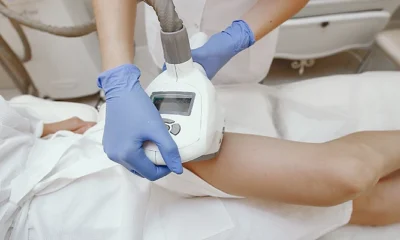
HIFU can treat various areas of the face and body, making it a versatile option for non-surgical rejuvenation. On the face, HIFU is commonly used for tightening the jawline, lifting the cheeks, reducing wrinkles on the forehead, tightening the neck, and improving under-eye bags. The treatment is also effective for neck and décolletage tightening. In addition to facial treatments, HIFU can be used for body contouring, including fat reduction on areas like the abdomen, flanks, and thighs. It’s particularly popular for improving skin texture and providing a lifting effect on various regions.
Is HIFU Painful? What to Expect During the Procedure
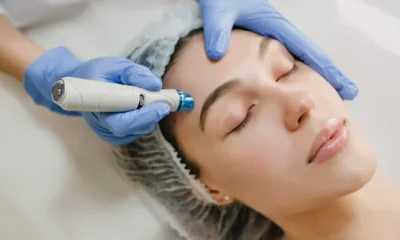
HIFU is generally well-tolerated, but you may experience some discomfort during the procedure. As the ultrasound energy is delivered into the skin, patients often feel a sensation of heat or a slight tingling as the deeper layers of skin are stimulated. The treatment is not typically described as painful, but the intensity of the sensation can vary depending on the treatment area and the individual’s pain tolerance. Topical numbing creams may be applied to minimize discomfort. The procedure lasts between 30 to 90 minutes depending on the area being treated, and most people experience minimal downtime afterward.
HIFU for Wrinkle Reduction: Does It Really Work?
HIFU is effective for reducing wrinkles and fine lines, especially those caused by aging or sun damage. The treatment works by stimulating collagen production in the dermis, resulting in firmer, smoother skin. HIFU is particularly effective for deep lines around the mouth, crow’s feet, and forehead wrinkles, as it can tighten the underlying skin structures. While results are not as immediate as Botox or dermal fillers, many patients report significant improvements in skin tone and a reduction in the appearance of wrinkles within 2 to 3 months of treatment. Consistency and multiple sessions may be needed for long-lasting effects.
How Many HIFU Sessions Are Needed for Visible Results?
For most patients, 1 to 2 sessions of HIFU are enough to see visible results, particularly for mild to moderate skin laxity or fine lines. After the first session, you may notice a tightening effect, but the full results typically become visible after 2 to 3 months as collagen production continues. For optimal outcomes, some patients may benefit from a series of sessions spaced 6 to 12 months apart, especially if they are looking for more dramatic results. A consultation with your practitioner will help determine the ideal treatment plan for your skin and goals.
Side Effects and Risks of HIFU Treatment
HIFU is generally considered safe, but like any medical procedure, there are potential side effects and risks. The most common side effects are redness, swelling, and temporary tenderness in the treated area, which usually resolves within a few hours to a day. Some people may experience mild bruising or a tingling sensation post-treatment, which is normal. In rare cases, patients may experience nerve injury, burns, or uneven results. To minimize risks, it’s important to have HIFU performed by an experienced and certified practitioner. A proper consultation beforehand will ensure that the treatment is appropriate for your skin type and condition.
HIFU for Fat Reduction: How Effective Is It?
HIFU is effective for fat reduction, especially in targeted areas like the abdomen, thighs, and flanks. The high-intensity ultrasound energy heats the fat cells beneath the skin, causing them to break down and be naturally eliminated by the body. While HIFU can lead to noticeable fat reduction, it’s typically more effective for individuals with mild to moderate fat deposits. For more substantial fat loss, HIFU can be combined with other treatments or lifestyle changes, such as diet and exercise. The results can take 2 to 3 months to fully develop as the body metabolizes the treated fat.
How Much Does HIFU Treatment Cost 2026?
The cost of HIFU treatment varies depending on the treatment area, the clinic, and the number of sessions required. On average, HIFU treatments can cost anywhere from $500 to $3,000 per session. Smaller areas like the under-eye or jawline may cost less, while larger areas such as the abdomen or neck can cost more. Some clinics offer package deals or discounts for multiple sessions. Since HIFU is a non-invasive procedure with long-lasting results, it is considered a cost-effective alternative to surgical treatments like facelifts. Consult with a clinic to get a personalized cost estimate.
What to Expect Before, During, and After HIFU Treatment
Before HIFU treatment, a consultation with a certified practitioner is essential to assess your skin and determine your goals. During the procedure, ultrasound energy will be applied to the treatment area, which may feel slightly uncomfortable but should not be painful. After the treatment, you may experience some redness or swelling, but these side effects typically subside within a few hours. There is little to no downtime, and most people can resume their normal activities immediately. To see the best results, follow your provider’s post-treatment instructions, and remember that full results may take up to 2 to 3 months to become visible.
Can HIFU Be Combined with Other Cosmetic Procedures?
Yes, HIFU can be safely combined with other cosmetic procedures for more comprehensive results. For example, Botox and dermal fillers can be used to address dynamic wrinkles and volume loss while HIFU targets sagging skin and stimulates collagen production. Microneedling and laser treatments can also complement HIFU for skin texture and tone improvement. Combining HIFU with other treatments can provide a synergistic effect, addressing multiple skin concerns at once. However, it’s important to discuss your goals and treatment plan with a professional to ensure compatibility between procedures and optimal results.
HIFU for Neck and Jawline Contouring: Benefits and Results
HIFU is an excellent treatment for neck and jawline contouring, as it can tighten and lift the skin in these areas, improving the definition and appearance of the lower face. The ultrasound energy stimulates collagen production, leading to a firmer and more youthful-looking neck and jawline. The treatment helps reduce sagging skin and improves the overall contour without the need for surgery. Many patients notice a significant improvement in skin tightness and firmness after 2 to 3 months. HIFU is a non-invasive, effective option for individuals seeking a more defined jawline and smoother neck skin.
Is HIFU Suitable for Younger Skin or Only Older Skin?
HIFU is suitable for both younger and older skin, but it is most commonly used for individuals over the age of 30 who are starting to experience signs of aging, such as mild skin laxity and fine lines. For younger individuals, HIFU can serve as a preventative treatment to maintain skin firmness and prevent early signs of aging. For older individuals with more significant skin sagging, HIFU can help tighten the skin and stimulate collagen production to restore a more youthful appearance. The versatility of HIFU makes it suitable for a wide range of age groups.
How Does HIFU Stimulate Collagen Production?
HIFU stimulates collagen production by using high-intensity ultrasound energy to penetrate deep into the skin’s layers. This energy creates controlled thermal damage in the deeper tissues, prompting the body’s natural healing response. As the skin repairs itself, collagen fibers are produced, which improves skin elasticity and firmness. Over time, the increased collagen production leads to smoother, tighter skin and a reduction in wrinkles. This collagen-building process continues for several months, resulting in long-term skin rejuvenation.
Post-Treatment Care Tips for the Best HIFU Results
To achieve the best results from HIFU treatment, follow these post-treatment care tips. Avoid direct sun exposure for a few days after the procedure and always wear broad-spectrum sunscreen to protect your skin. Stay hydrated and use a gentle moisturizer to soothe any mild redness or dryness. You may also be advised to avoid strenuous activities or excessive heat exposure for 24 to 48 hours. Most importantly, maintain a healthy skincare routine to support the skin’s natural collagen production and ensure long-lasting results.