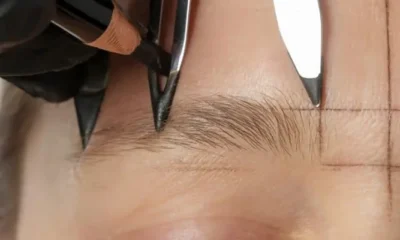
What is Sideburn Transplantation and How Does It Work?
Sideburn transplantation is a cosmetic procedure in which hair follicles are harvested from the donor area (usually the back or sides of the scalp) and transplanted to the sideburn area to create a fuller, more defined look. This procedure is ideal for individuals who have sparse, uneven, or patchy sideburns. The transplant is typically performed using the FUE (Follicular Unit Extraction) method, where individual follicles are extracted one by one and implanted into the desired areas. Alternatively, FUT (Follicular Unit Transplantation) may be used in certain cases. The transplanted hair follicles continue to grow naturally, providing a permanent solution to enhance the sideburn area and improve facial symmetry.
Benefits of Sideburn Transplantation for a Fuller Facial Appearance
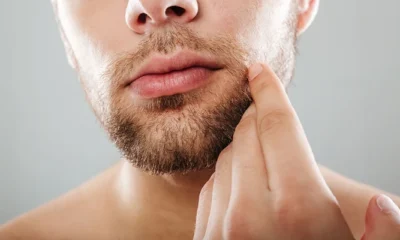
The primary benefit of sideburn transplantation is the improvement in facial symmetry and overall appearance. Sideburns are key features that frame the face, and by restoring fullness or reshaping them, a more balanced and attractive facial contour can be achieved. For individuals with thin, patchy, or uneven sideburns, this procedure offers a permanent solution to achieve a more natural and well-defined sideburn. It can also add definition to the jawline and enhance the overall aesthetic appeal of the face. Additionally, the procedure is highly customizable, allowing patients to shape their sideburns according to their preference, creating a look that complements their facial features.
Sideburn Transplantation vs. Other Facial Hair Enhancements
When compared to other facial hair enhancements, sideburn transplantation offers a permanent and natural-looking solution. Other methods, such as hair fibers, beard oils, or temporary makeup, offer short-term results and require regular maintenance. Sideburn tattoos or microblading may provide a fuller appearance, but they do not replicate the natural growth of hair and often fade over time, requiring touch-ups. In contrast, sideburn transplantation uses real hair follicles, which grow like natural sideburn hair, providing long-lasting and authentic results without the need for continuous upkeep. A transplant is particularly ideal for individuals looking for a permanent solution to patchy or uneven sideburns.
How Long Do Sideburn Transplant Results Last?
The results from sideburn transplantation are permanent. Once the transplanted follicles have been successfully implanted, they will begin to grow naturally in the new sideburn area. These transplanted hair follicles are genetically resistant to the same hair loss factors that may affect the natural sideburn hair. However, it is important to note that the existing natural sideburn hair (that was not transplanted) may continue to thin or recede due to genetic hair loss or aging. To maintain a fuller appearance, some patients may opt for maintenance treatments, but the transplanted hair will remain intact for a lifetime.
Is Sideburn Transplantation Safe for All Skin Types?
Sideburn transplantation is generally safe for all skin types, but special care should be taken for individuals with sensitive skin or skin conditions such as eczema or psoriasis in the sideburn area. The procedure involves careful follicle placement to avoid complications such as scarring or ingrown hairs. Darker skin tones may have a slightly higher risk of hyperpigmentation or scarring, but these risks can be minimized with proper technique and care. A skilled and experienced surgeon will assess the patient’s skin type during the consultation and tailor the procedure accordingly to ensure safety and optimal results.
What to Expect During a Sideburn Transplant Procedure
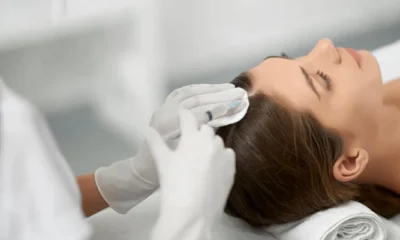
During the sideburn transplant procedure, the surgeon will first perform a consultation to discuss the patient’s goals and assess the donor area for suitable follicles. The procedure begins with local anesthesia to numb the scalp and sideburn area, ensuring the patient’s comfort throughout the surgery. The surgeon will then either extract individual follicles using FUE or remove a strip of tissue in the FUT method, depending on the chosen technique. The extracted follicles are prepared and then carefully transplanted into the sideburn area, following the natural growth direction to ensure a seamless and natural appearance. The procedure typically lasts between 4 to 6 hours depending on the complexity and number of grafts required. After the transplant, there may be mild swelling or redness, which should subside in a few days.
How to Prepare for Sideburn Transplant Surgery
Proper preparation for a sideburn transplant is key to ensuring the best results. Several days before the procedure, patients should avoid alcohol and blood-thinning medications such as aspirin to reduce the risk of bleeding. On the day of surgery, it is recommended to wash the scalp and face thoroughly with a gentle shampoo to ensure cleanliness. Patients should also wear comfortable clothing and avoid styling their hair with any products on the day of the procedure. Additionally, patients should arrange for transportation to and from the clinic, as they may experience mild discomfort after the anesthesia wears off. Following the surgeon’s instructions carefully will ensure a smooth procedure and recovery process.
How Much Does Sideburn Transplantation Cost 2026 ?
The cost of a sideburn transplant can vary depending on factors such as the clinic’s location, the surgeon’s expertise, and the number of grafts required. On average, the cost ranges from $2,500 to $8,000. The price can increase depending on the complexity of the procedure, the technique used (FUE is typically more expensive than FUT), and the size of the area to be treated. Some clinics may offer payment plans or financing options, making the procedure more accessible to a wider range of patients. It’s important to note that, unlike temporary solutions like cosmetic fillers or beard styling products, a sideburn transplant offers a permanent solution, making it a worthwhile investment for many individuals.
Post-Sideburn Transplant Care: Tips for Best Results
After a sideburn transplant, proper care is essential to ensure the best possible results. Patients should avoid touching, scratching, or rubbing the transplanted area for several days to avoid dislodging the hair follicles. It is important to keep the scalp clean, using a mild shampoo and following the surgeon’s recommendations for cleaning. Swelling and redness are common in the first few days but should subside quickly. Sun exposure should be minimized, and patients should wear a sunscreen to protect the treated area. For the first week, patients should avoid strenuous exercise and heavy sweating. Following the surgeon’s aftercare instructions ensures that the transplanted follicles will grow successfully and that the final result will be natural-looking and lasting.
Side Effects and Risks of Sideburn Transplant Surgery
While sideburn transplant surgery is generally safe, there are some risks and side effects associated with the procedure. The most common side effects include temporary swelling, redness, and discomfort around the treated area. Scabbing may occur, but it is typically temporary and will fall off naturally in a few days. Infection is a rare complication, but it can be prevented with proper care and hygiene. Some patients may experience shock loss, where the transplanted hair temporarily falls out before new hair growth begins. Scarring is a possible side effect, especially with FUT (strip method), though it is typically minimal and hidden under the surrounding hair. Choosing an experienced surgeon helps minimize these risks and ensures the best results.
How Many Sessions Are Needed for Full Sideburn Transplantation?
Most patients will need one session to achieve full sideburn transplantation, though some individuals may require multiple sessions depending on the extent of their hair loss or the desired level of hair density. The number of sessions can also vary based on the area being treated and whether the patient has adequate donor hair. If multiple sessions are needed, they are typically spaced a few months apart to allow the transplanted follicles to grow and fully settle. Your surgeon will evaluate your needs during the consultation and recommend the most appropriate approach.
Who is an Ideal Candidate for Sideburn Transplantation?
An ideal candidate for sideburn transplantation is someone who has thin, patchy, or uneven sideburns and desires a more defined and fuller look. The procedure is particularly beneficial for individuals with sparse facial hair or those experiencing pattern hair loss or scarring that affects the sideburn area. Candidates should have healthy donor hair on their scalp to ensure that sufficient follicles are available for transplantation. Individuals in good overall health and those with realistic expectations about the results are also ideal candidates for this surgery.
Sideburn Transplant Recovery Time: What to Expect
Recovery from sideburn transplant surgery typically takes 7 to 10 days for the initial swelling, redness, and scabbing to subside. Scabs around the transplanted follicles may remain for a few days but will fall off naturally. Most patients can resume normal activities within a few days, though strenuous exercise and heavy sweating should be avoided for one to two weeks to allow the transplanted hair follicles to settle. New hair growth may begin within 3 to 4 months, with full results visible after 6 to 12 months as the transplanted hair matures and blends with natural sideburn hair.
How Does the Hair Follicle Harvesting Process Work for Sideburns?
The hair follicle harvesting process for sideburn transplantation involves extracting hair follicles from a donor area, usually from the back or sides of the scalp, where the hair is typically denser and more resistant to thinning. The most common techniques are FUE and FUT. In FUE, individual follicles are extracted one by one using a specialized tool, while FUT involves removing a strip of skin, which is then dissected into individual follicles. The harvested follicles are then carefully prepared and implanted into the sideburn area. Since curly or kinky hair may have a different growth pattern, the surgeon takes extra care to ensure the transplanted hair grows in the desired direction and pattern.
Can Sideburn Transplantation Be Combined with Other Facial Hair Treatments?
Yes, sideburn transplantation can be combined with other facial hair treatments to enhance the results. For example, PRP (Platelet-Rich Plasma) therapy can be used after the transplant to stimulate hair growth and improve healing. Minoxidil may also be recommended to help maintain existing hair density and promote the growth of both transplanted and natural hair. Combining treatments like microneedling or laser therapy can further improve the appearance and health of the sideburns, giving patients a more defined, fuller look.
How to Maintain Your Sideburns After a Transplant
After a sideburn transplant, it is important to maintain the transplanted hair by following proper hair care practices. Gentle washing of the transplanted area with a mild shampoo is crucial, as is keeping the skin moisturized to promote healing. Regular trimming and shaping will help maintain the desired appearance, while healthy grooming habits and a balanced diet can support the ongoing health of the sideburns. Avoiding harsh chemicals or heat treatments will also help preserve the natural texture of the transplanted hair. Regular follow-up appointments with your surgeon will help ensure that the sideburns continue to grow and blend seamlessly with your natural hair.
Sideburn Transplantation for Uneven or Patchy Growth
For individuals with uneven or patchy sideburns, sideburn transplantation offers a permanent and effective solution. The procedure can restore fullness, symmetry, and natural definition to the sideburn area by transplanting healthy hair follicles from the scalp. The surgeon carefully places the follicles in a way that mirrors the natural growth pattern of the sideburns, helping to create a more balanced, well-defined look. Whether you have uneven growth or areas with no hair at all, a sideburn transplant can address these concerns, providing a natural, lasting result.