What is Q-Switch Laser?
Q-Switch laser is a type of advanced laser treatment used for skin rejuvenation, tattoo removal, and the treatment of hyperpigmentation. The laser emits high-energy pulses in very short bursts (nanoseconds), targeting specific pigments in the skin without damaging surrounding tissue. This makes it ideal for conditions like sunspots, melasma, and freckles, as well as for removing black ink tattoos or pigmented lesions. The short duration of energy pulses makes it a non-invasive and effective solution for a range of aesthetic concerns, providing visible results with minimal downtime.
How Does Q-Switch Laser Work?
The Q-Switch laser works by using short, high-intensity bursts of light to break down targeted pigment particles or ink. For tattoo removal, the laser penetrates the skin and shatters the ink into smaller particles, which are then naturally eliminated by the body’s immune system. In the case of pigmented skin conditions, the energy from the Q-Switch laser selectively absorbs and breaks down melanin, which leads to a reduction in dark spots or pigmentation. This selective targeting of pigments without harming surrounding tissue is what makes the Q-Switch laser effective and safe for many people.
Q-Switch Laser for Tattoo Removal: Effectiveness and Results
Q-Switch laser is considered one of the most effective methods for tattoo removal. It works by emitting rapid pulses of energy that break down the tattoo ink into smaller particles. These particles are then processed and eliminated by the body’s immune system. The effectiveness of Q-Switch laser for tattoo removal depends on factors like the ink color, size, depth, and age of the tattoo. Black tattoos tend to respond well to this treatment, as black ink absorbs the laser energy more efficiently. Results are generally seen after multiple sessions, with the number of treatments required depending on the tattoo’s characteristics.
Is Q-Switch Laser Safe for All Skin Types?
Q-Switch laser is generally safe for most skin types, but it is essential to adjust the settings based on the skin’s pigmentation. Lighter skin tones typically respond well to Q-Switch laser treatments, but darker skin tones may require extra precautions to avoid side effects such as hyperpigmentation or hypopigmentation. When treating darker skin tones, the practitioner may use lower energy settings or different wavelengths to reduce risks. Before undergoing the treatment, it’s important to have a consultation with a licensed professional to determine whether Q-Switch laser is appropriate for your skin type.
Q-Switch Laser for Skin Rejuvenation: Benefits and Effectiveness
Q-Switch laser is an effective treatment for skin rejuvenation. By targeting and breaking down excess melanin, it can reduce sunspots, freckles, age spots, and melasma, leading to a brighter, more even skin tone. It also stimulates collagen production, which helps to improve skin texture and firmness. The laser is non-invasive and typically requires little to no downtime, making it a popular choice for individuals looking for a quick way to refresh their skin and reduce signs of sun damage and aging.
How Long Does Q-Switch Laser Treatment Take?
Q-Switch laser treatments are typically quick, with most sessions lasting between 15 to 30 minutes depending on the size and area being treated. For tattoo removal, larger or more intricate tattoos may require longer sessions, while smaller tattoos can be treated more quickly. After the procedure, most people can resume normal activities with minimal downtime, although there may be some redness or swelling in the treated area that fades within a few hours to a couple of days.
Side Effects and Risks of Q-Switch Laser Treatment
Q-Switch laser is generally considered safe, but like any treatment, it carries some risks and side effects. The most common side effects include temporary redness, swelling, and sensitivity in the treated area. Blistering, scabbing, or skin discoloration may also occur in some cases, especially if proper aftercare is not followed. It is essential to protect the treated area from the sun after treatment, as exposure can increase the risk of hyperpigmentation or hypopigmentation. Choosing a licensed and experienced practitioner helps minimize these risks.
Cost of Q-Switch Laser Treatment 2026 : What You Need to Know
The cost of Q-Switch laser treatment can vary depending on the area being treated, the clinic’s location, and the size of the tattoo or the area of the skin being treated. On average, small areas or tattoo removal treatments can cost between $150 to $500 per session, with larger areas or more complex treatments being priced higher. Multiple sessions are often required for effective results, especially in tattoo removal, so the total cost can add up. Many clinics offer package deals or discounts for multiple treatments, which can help make the process more affordable.
What to Expect During a Q-Switch Laser Treatment Session
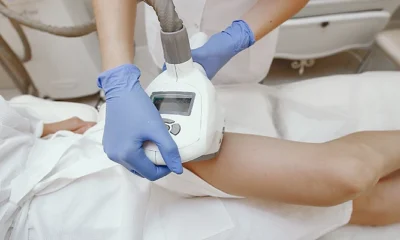
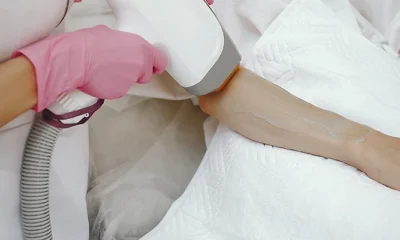
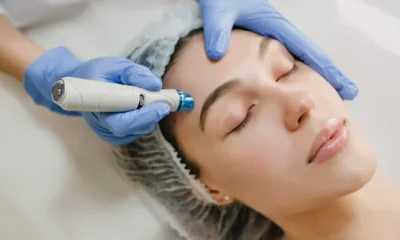
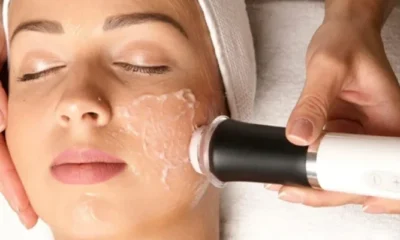
During a Q-Switch laser treatment, the practitioner will first clean the treatment area and apply a cooling gel or numbing cream to minimize discomfort. The Q-Switch device will then be positioned over the skin, and pulses of light will be emitted. You may experience a slight snapping sensation, similar to the feeling of a rubber band being snapped on the skin. The treatment is relatively quick, with minimal discomfort. Afterward, you may notice mild redness or swelling in the treated area, which typically subsides within a few hours.
Q-Switch Laser for Skin Lifting and Tightening: Can It Help?
While Q-Switch laser is primarily used for skin rejuvenation and pigmentation treatments, it can also offer some degree of skin tightening due to its ability to stimulate collagen production. For those looking for a non-invasive solution to address mild skin laxity, Q-Switch may help improve skin texture and firmness. However, for more significant skin lifting, other treatments such as HIFU or radiofrequency may be more effective. Still, Q-Switch laser can provide noticeable improvements in skin tone and elasticity with regular treatments.
Can Q-Switch Laser Be Combined with Other Treatments?
Yes, Q-Switch laser can often be combined with other aesthetic treatments to enhance results. For instance, combining Q-Switch with microneedling or chemical peels can help improve skin texture, tone, and pigmentation by addressing multiple skin concerns simultaneously. Botox or dermal fillers can also complement Q-Switch treatments for wrinkle reduction or volume restoration. It’s essential to discuss your treatment goals with your practitioner, who can recommend a personalized combination of therapies for the best outcome.
The Future of Q-Switch Laser in Aesthetic Treatments
The future of Q-Switch laser in aesthetic treatments looks promising, with ongoing advancements in laser technology enhancing the precision and effectiveness of treatments. As laser technology continues to improve, it is expected that Q-Switch lasers will become even more effective at treating a wider range of skin pigmentation issues, tattoo removal, and skin rejuvenation concerns. Additionally, with the increasing demand for non-invasive, quick, and effective treatments, the popularity of Q-Switch laser is expected to grow, offering enhanced results with minimal downtime.