Different Types of Chemical Peels: A Complete Guide
Chemical peels are a popular treatment for improving skin texture, tone, and appearance. There are three main types of chemical peels: superficial, medium, and deep. Superficial peels use mild acids, such as alpha-hydroxy acids (AHAs), to exfoliate the outer layer of the skin, offering a gentle treatment with minimal downtime. Medium peels, often using trichloroacetic acid (TCA), penetrate deeper into the skin to address concerns like moderate wrinkles and sun damage. Deep peels, which utilize stronger acids like phenol, are the most intensive and target deeper layers of the skin, offering dramatic results for severe wrinkles and sun damage but requiring a longer recovery time. The choice of peel depends on the skin condition being treated and the desired results.
Is Chemical Peeling Safe for All Skin Types?
Chemical peeling can be safe for most skin types, but it’s important to choose the right type of peel for your specific skin concerns. Superficial peels are generally safe for all skin types, including sensitive skin, as they target the outermost layer of the skin. Medium and deep peels, however, may not be suitable for darker skin tones due to the risk of hyperpigmentation or scarring. It’s essential to consult with a skincare professional before undergoing a chemical peel to ensure that the treatment is appropriate for your skin type and condition. With the right precautions and professional guidance, chemical peels can be a safe and effective treatment option for many individuals.
How Chemical Peels Improve Skin Texture and Appearance
Chemical peels work by removing damaged outer layers of skin, encouraging the growth of new, healthy skin cells. This process helps improve the overall texture of the skin, making it smoother, brighter, and more even-toned. By stimulating collagen production, chemical peels also promote skin rejuvenation, reducing the appearance of fine lines, wrinkles, and age spots. Depending on the depth of the peel, chemical peels can address a variety of skin concerns, including acne scars, hyperpigmentation, and sun damage. Over time, regular chemical peeling can significantly improve the skin’s overall appearance, making it a popular treatment for those seeking to enhance their complexion.
What to Expect During a Chemical Peeling Session
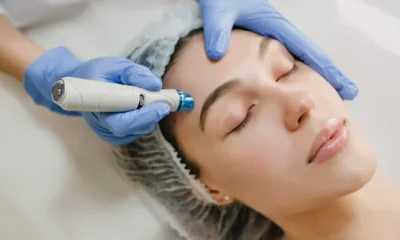
During a chemical peeling session, a trained professional will cleanse your skin and apply a chemical solution tailored to your skin type and treatment goals. The solution will be left on your skin for a specific amount of time, depending on the type of peel being used. You may feel a tingling or mild burning sensation as the chemicals exfoliate the skin. After the solution is removed, the skin may appear red or inflamed, but this is normal and typically subsides within a few hours. The procedure usually takes 20 to 45 minutes, depending on the type of peel and the areas being treated. After the session, you may experience some peeling or flaking, which is part of the skin’s natural renewal process.
How Long Does It Take to Recover After a Chemical Peel?
Recovery time after a chemical peel varies depending on the type of peel performed. Superficial peels have minimal downtime, with most individuals able to return to their normal activities immediately. There may be some redness and mild peeling, but these side effects typically resolve within a few days. Medium peels may require 5 to 7 days for recovery, during which time the skin may peel and become red or swollen. Deep peels involve a longer recovery period, typically around 2 to 3 weeks, as the skin heals and regenerates. It’s important to follow your skincare professional’s aftercare instructions to minimize the risk of complications and ensure optimal results.
Chemical Peeling vs. Microdermabrasion: Which is Better?
Both chemical peeling and microdermabrasion are effective treatments for improving skin texture and appearance, but they work in different ways. Chemical peels use chemical solutions to exfoliate the skin and treat deeper layers, making them ideal for addressing more severe skin concerns like wrinkles, acne scars, and hyperpigmentation. Microdermabrasion, on the other hand, is a physical exfoliation treatment that removes dead skin cells from the surface layer using tiny crystals. It’s less invasive and requires less downtime, making it suitable for people with milder skin concerns. The choice between the two depends on your skin type, goals, and the extent of treatment needed. For deeper skin issues, chemical peels may be more effective, while microdermabrasion is great for maintaining healthy, smooth skin.
How Often Should You Get a Chemical Peel?
The frequency of chemical peels depends on the type of peel used and the condition of your skin. Superficial peels can be performed every 2 to 4 weeks, while medium peels are typically spaced 4 to 6 weeks apart. Deep peels are usually done only once due to their intensity, and it may take a longer period to fully recover. For optimal results, it’s important to follow your skincare provider’s advice on the appropriate frequency of treatments. Overuse of chemical peels can cause skin irritation or damage, so it’s essential to allow the skin time to heal between sessions. Your practitioner can help determine the best schedule for your specific skin needs.
Potential Risks and Side Effects of Chemical Peels
While chemical peels are generally safe when performed by trained professionals, there are potential risks and side effects. Common side effects include redness, swelling, and peeling, which are typically temporary and subside within a few days. For deeper peels, there may be increased risk of scarring, hyperpigmentation, or hypopigmentation, especially for individuals with darker skin tones. Infection is also a rare but possible risk if proper aftercare is not followed. To minimize risks, it’s crucial to follow all post-treatment instructions, avoid sun exposure, and keep the skin moisturized. Consulting with a certified practitioner can help you understand the potential risks and ensure you are a suitable candidate for a chemical peel.
Chemical Peels for Acne: Benefits and Effectiveness
Chemical peels are commonly used to treat acne by exfoliating the skin, removing dead skin cells, and preventing clogged pores. Superficial peels, such as those using salicylic acid, are particularly effective for acne treatment because they help reduce oil production, prevent breakouts, and improve skin texture. Medium peels, using glycolic or trichloroacetic acid (TCA), can be used to treat more severe acne scars. While chemical peels do not cure acne, they can significantly reduce the frequency and severity of breakouts and improve the appearance of acne scars. Multiple sessions may be required to achieve the best results, and it’s essential to combine chemical peels with a proper skincare routine for long-term acne management.
How to Prepare Your Skin for a Chemical Peel Treatment
To prepare your skin for a chemical peel, it’s important to follow your practitioner’s advice to ensure the best possible results. You may be asked to stop using certain skincare products, such as retinoids or exfoliating agents, for a few days before the treatment to avoid irritation. It’s also important to avoid sun exposure and tanning for at least a week before the peel, as sunburned or damaged skin can increase the risk of complications. If you have sensitive skin or a history of cold sores, you may be prescribed antiviral medication prior to treatment. A consultation with your skincare provider will help ensure your skin is in optimal condition for the peel.
Chemical Peeling for Hyperpigmentation and Sun Damage
Chemical peels are an effective treatment for hyperpigmentation and sun damage, as they target the outer layers of the skin where these issues reside. Superficial and medium peels can help fade dark spots, age spots, and uneven pigmentation by encouraging the turnover of skin cells. The acids in the chemical peel exfoliate the skin, revealing brighter, more even-toned skin underneath. Over time, regular chemical peels can significantly reduce the appearance of sun damage and improve skin texture. It’s important to follow up with proper sun protection, as continued sun exposure can worsen hyperpigmentation. Depending on the severity of the condition, multiple sessions may be needed to achieve optimal results.
Can Chemical Peels Treat Fine Lines and Wrinkles?
Yes, chemical peels can treat fine lines and wrinkles effectively, especially when combined with other skincare treatments. Superficial and medium-depth chemical peels work by exfoliating the outer layers of the skin, helping to reduce the appearance of fine lines around the eyes, mouth, and forehead. Deeper peels, such as those using trichloroacetic acid (TCA), penetrate more profoundly, stimulating collagen production, which helps to improve skin elasticity and smooth out wrinkles. Regular chemical peel treatments, depending on the depth, can lead to more youthful and rejuvenated skin by reducing the signs of aging.
How to Choose the Right Chemical Peel for Your Skin
Choosing the right chemical peel depends on your skin type, concerns, and the results you want to achieve. Superficial peels, such as glycolic or salicylic acid peels, are ideal for individuals with mild skin concerns, such as dryness, acne, or superficial pigmentation. Medium peels, using trichloroacetic acid (TCA), are best suited for those with moderate wrinkles, sun damage, or acne scars. Deep peels, using stronger solutions like phenol, are appropriate for treating more severe signs of aging, deep wrinkles, and significant sun damage. Consulting a skincare professional is crucial to determine the best peel for your skin’s condition and goals to avoid adverse effects.
Post-Treatment Care for Optimal Results After a Chemical Peel
Proper post-treatment care is essential to achieving the best results from a chemical peel. After the treatment, your skin may be red, swollen, and sensitive, so it’s vital to avoid sun exposure and wear a broad-spectrum sunscreen to protect the skin. You should also avoid picking or peeling the skin, as this can lead to scarring. Moisturizing the skin with gentle, hydrating creams helps the healing process and reduces irritation. For medium to deep peels, avoid strenuous activities that cause sweating for a few days. It’s essential to follow your practitioner’s specific aftercare instructions to ensure the skin heals optimally and you achieve the best possible results.
Is Chemical Peeling Suitable for Sensitive Skin?
Chemical peels can be suitable for sensitive skin, but it’s important to choose the right type of peel and take precautions. Superficial peels, like those with alpha-hydroxy acids (AHAs), are often well-tolerated by sensitive skin and can help with issues like dryness or mild pigmentation without causing irritation. However, deeper peels may cause more irritation for those with sensitive skin, so it’s essential to consult with a trained professional before proceeding. Additionally, performing a patch test beforehand can help determine how your skin reacts to the chemical solution. Proper aftercare is crucial to prevent complications like redness or peeling.
Chemical Peels for Scarring: How Effective Are They?
Chemical peels can be effective in improving the appearance of scars, especially mild to moderate acne scars. Superficial peels work by gently exfoliating the skin’s surface, while medium and deep peels can penetrate deeper layers, helping to reduce the visibility of scars and stimulate collagen production. The effectiveness of chemical peels for scarring depends on the severity of the scars and the depth of the peel. While chemical peels cannot completely remove deep scars, they can significantly improve skin texture and minimize the appearance of scars. Multiple sessions may be required for optimal results, especially with deeper scars, and it’s important to follow aftercare instructions to avoid further irritation or scarring.
Cost of Chemical Peeling 2026: What to Expect
The cost of chemical peeling depends on several factors, including the type of peel, the size of the area being treated, and the clinic’s location. On average, superficial peels can cost between $100 to $300 per session, while medium peels typically range from $300 to $600. Deep peels are more expensive, often costing $1,000 or more due to the complexity and longer recovery time. Keep in mind that multiple sessions may be required, especially for deeper peels or more severe skin concerns. Additionally, the experience of the practitioner and the clinic’s reputation can influence the price. It’s important to consult with a qualified provider for an accurate cost estimate.
The Future of Chemical Peeling in Aesthetic Medicine
The future of chemical peeling in aesthetic medicine looks promising as new technologies and formulations continue to improve the effectiveness and safety of peels. Researchers are exploring newer, less invasive chemical peel solutions that can target specific skin concerns like hyperpigmentation, acne, and aging while minimizing downtime. Additionally, advancements in customization allow for more tailored treatments that can address various skin types and conditions. The integration of chemical peels with other cosmetic treatments, such as dermal fillers and laser therapies, will likely become more common, offering patients more comprehensive, long-lasting results. As the demand for non-invasive cosmetic procedures grows, chemical peeling will continue to be a valuable tool in skin rejuvenation.