How Exosome Therapy is Used for Hair Restoration
Exosome therapy for hair restoration involves using exosomes, which are small vesicles derived from stem cells, to stimulate hair growth. These exosomes contain growth factors, proteins, and genetic material that promote cell regeneration and healing. When applied to the scalp, exosomes help improve the environment around hair follicles, encouraging healthier and thicker hair growth. The therapy is often used to treat conditions like androgenic alopecia (pattern baldness) and other forms of hair thinning. Exosome therapy is considered a non-invasive alternative to traditional hair restoration treatments, offering a promising solution with minimal downtime.
Exosome Therapy for Skin Rejuvenation: What You Need to Know
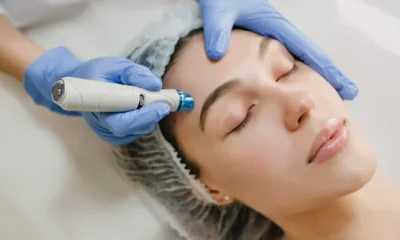
Exosome therapy is gaining popularity for skin rejuvenation due to its ability to stimulate collagen production and promote cellular repair. The therapy involves applying exosomes to the skin, which deliver growth factors and proteins that accelerate tissue regeneration and improve skin texture. This treatment is particularly effective for reducing fine lines, wrinkles, and signs of sun damage. Exosome therapy helps enhance skin elasticity and radiance, making it an appealing option for individuals seeking a non-invasive alternative to more traditional skin treatments. The procedure is minimally invasive and can be performed on various areas of the face and body, with minimal downtime.
Are Exosome Treatments Safe and Effective?
Exosome treatments are generally considered safe when performed by trained professionals, as they use naturally occurring biological materials. The procedure involves injecting or applying exosomes to the target area, which then deliver regenerative signals to promote healing and repair. While the therapy shows promising results in areas like hair restoration, skin rejuvenation, and joint pain relief, more clinical studies are needed to fully establish its long-term effectiveness and safety. Like any medical treatment, it’s important to consult with a healthcare provider to determine if exosome therapy is suitable for your specific needs and to ensure there are no contraindications.
Exosome Therapy vs. PRP (Platelet-Rich Plasma): Key Differences
Both Exosome Therapy and PRP (Platelet-Rich Plasma) are used for regenerative treatments, but they differ in their methods and outcomes. PRP is derived from a patient’s blood, concentrating platelets and growth factors to promote healing, while exosome therapy uses exosomes from stem cells to deliver growth factors and proteins to targeted areas. Exosomes are considered to have a more powerful regenerative effect because they contain a wider array of signaling molecules, including RNA and proteins that can enhance tissue repair and growth. PRP, on the other hand, is more widely available and less expensive. Exosome therapy is often seen as a more advanced treatment with potentially better results for certain conditions.
How Exosome Therapy Promotes Healing and Tissue Regeneration
Exosome therapy promotes healing and tissue regeneration by utilizing exosomes, which are rich in growth factors, proteins, and RNA. These molecules communicate with the body’s cells, instructing them to repair and regenerate tissue. Exosomes can improve cellular function, increase collagen production, and stimulate the healing process in damaged areas. Whether applied to the skin for rejuvenation, injected into joints for pain relief, or used for hair restoration, exosomes help accelerate tissue recovery and regeneration, making them a promising tool for a variety of medical and aesthetic treatments.
Exosome Therapy for Joint Pain and Inflammation: How It Helps
Exosome therapy is increasingly being used to treat joint pain and inflammation. The exosomes, which are derived from stem cells, contain powerful anti-inflammatory properties that help reduce pain and promote healing in the joints. When injected into areas of inflammation, exosomes stimulate tissue repair and can help regenerate cartilage, reducing the symptoms of conditions like osteoarthritis. This regenerative approach can help improve mobility, reduce swelling, and provide long-term relief from joint discomfort. Exosome therapy offers a minimally invasive option for those suffering from chronic joint pain who want to avoid surgery or long-term medication use.
Cost of Exosome Therapy 2026: What to Expect
The cost of exosome therapy can vary widely depending on the treatment area and location. On average, a session of exosome therapy for hair restoration or skin rejuvenation can range from $1,500 to $5,000. Joint pain treatments may also fall within this price range, depending on the number of sessions required. Since exosome therapy is still a relatively new and specialized treatment, it may be more expensive compared to other regenerative treatments like PRP. It’s important to consult with a provider to get an accurate cost estimate based on your specific needs and goals.
What Conditions Can Exosome Therapy Treat?
Exosome therapy is used to treat a variety of conditions, particularly those that involve tissue damage and inflammation. Common applications include hair restoration, where exosomes are used to stimulate hair follicles and promote hair growth. Skin rejuvenation is another popular application, as exosomes help improve skin texture, reduce wrinkles, and promote collagen production. Exosome therapy is also effective for joint pain and inflammation, such as osteoarthritis, by regenerating cartilage and reducing pain. Additionally, exosomes are used in wound healing, muscle recovery, and various other regenerative treatments, making them a versatile tool in both medical and aesthetic fields.
How Long Does It Take to See Results from Exosome Therapy?
The timeline for seeing results from exosome therapy depends on the condition being treated and the individual’s response. For hair restoration, patients may start seeing initial improvements within 2 to 3 months, with full results typically visible after 6 months. Skin rejuvenation results may be seen after 2 to 4 weeks, as collagen production is stimulated. Joint pain relief may take a few weeks to a couple of months to experience full benefits, as tissue regeneration and healing occur over time. While the effects of exosome therapy may be gradual, many patients report noticeable improvements in their skin, hair, or joints after a few sessions.
Exosome Therapy for Anti-Aging: Can It Reverse Wrinkles?
Exosome therapy can help reduce the appearance of wrinkles and other signs of aging by stimulating collagen production and enhancing tissue regeneration. The exosomes deliver growth factors and proteins to the skin, promoting cellular repair and improving skin elasticity. While exosome therapy may not reverse the aging process completely, it can significantly improve the appearance of fine lines, wrinkles, and skin texture. The treatment works by rejuvenating the skin from within, making it look more youthful and vibrant. For best results, exosome therapy can be combined with other treatments like dermal fillers or laser resurfacing.
What Is the Procedure for Receiving Exosome Therapy?
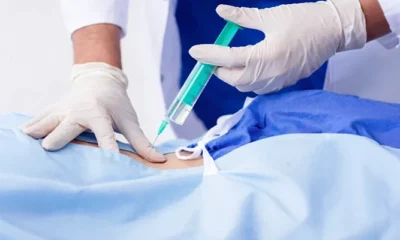
The procedure for receiving exosome therapy begins with a consultation to determine if the treatment is suitable for your specific needs. The provider will then apply or inject exosomes to the targeted area, whether it’s the scalp for hair restoration, the skin for rejuvenation, or joints for pain relief. For hair restoration or skin treatments, the exosomes are usually injected with a fine needle, while joint treatments involve a direct injection into the affected area. The procedure is relatively quick, typically lasting between 30 to 60 minutes, and there is minimal downtime. Some patients may experience mild redness or swelling at the injection site, but these effects typically subside within a few hours to a couple of days.
How Exosome Therapy Works in Hair Follicle Regeneration
Exosome therapy for hair follicle regeneration involves the application of exosomes derived from stem cells to the scalp. These exosomes contain growth factors, proteins, and RNA that promote the regeneration of hair follicles. When injected into the scalp, they stimulate the dormant or damaged hair follicles, encouraging new hair growth and improving hair density. Exosomes help repair the damaged scalp environment, reduce inflammation, and enhance blood circulation to the hair follicles, providing an optimal environment for healthy hair growth. This makes exosome therapy a promising non-surgical solution for hair loss and thinning, particularly for conditions like androgenic alopecia.
Are There Any Risks or Side Effects of Exosome Therapy?
Exosome therapy is generally considered safe when performed by trained professionals, as it uses naturally occurring biological materials. However, there are some potential risks and side effects. The most common side effects are mild and temporary, including redness, swelling, or bruising at the injection site. In rare cases, patients may experience allergic reactions, infections, or skin irritation. Because exosomes come from stem cells, there’s also a potential risk of immune rejection, though this is uncommon. It’s important to consult with a healthcare provider before undergoing exosome therapy, particularly if you have pre-existing health conditions or concerns, to ensure the treatment is appropriate for you.
How to Prepare for an Exosome Therapy Session
Before an exosome therapy session, there are a few key preparation steps. First, it’s important to have a consultation with a qualified practitioner to assess your suitability for the treatment. If you’re receiving exosome therapy for hair restoration, the practitioner may advise you to avoid washing your hair on the day of the treatment. You should also refrain from using any topical products like hair gels or oils that might interfere with the procedure. For skin rejuvenation or joint treatments, make sure to inform the practitioner about any medications you are taking or existing skin conditions. It’s essential to follow any pre-treatment instructions provided by your provider to ensure the best possible outcome.