What is Afro Hair Transplant and How Does It Work?
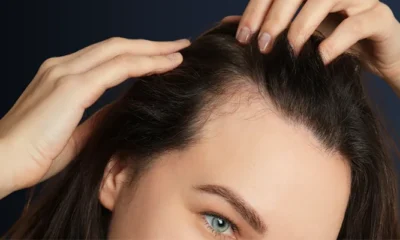
An Afro hair transplant is a specialized procedure designed for individuals with curly, coarse, or kinky hair textures. The process involves extracting hair follicles from a donor area, usually the back or sides of the scalp, and transplanting them into areas experiencing thinning or hair loss, such as the hairline or crown. The primary difference between Afro hair transplants and other hair transplants lies in the way curly hair grows. Afro hair tends to have a more dense and kinked structure, which requires the surgeon to adjust the follicle placement carefully to ensure the most natural-looking results. The procedure can be done using either the FUE (Follicular Unit Extraction) or FUT (Follicular Unit Transplantation) method, depending on the patient’s needs. The transplanted hair grows naturally, giving a more voluminous, fuller, and well-defined hairline. This is a popular solution for people with Afro-textured hair who are looking to restore thinning or receding hairlines.
Benefits of Afro Hair Transplant for Curly and Coarse Hair
The benefits of an Afro hair transplant for individuals with curly or coarse hair are numerous. First and foremost, the procedure provides a permanent solution for hair loss by transplanting healthy hair follicles from areas that are more resistant to thinning, such as the back or sides of the scalp. The dense and naturally voluminous nature of curly hair allows the transplanted follicles to grow in a way that gives the hair more volume and thickness, which is especially beneficial for individuals with thin or receding hairlines. Additionally, because Afro-textured hair has its unique growth pattern, the transplant helps to restore a natural appearance and shape that blends seamlessly with the patient’s natural curl pattern. This is a highly customized procedure that ensures the best results for individuals with kinky or coarse hair types.
Afro Hair Transplant vs. Straight Hair Transplant: Key Differences
While the basic principles of a hair transplant remain the same, there are several key differences between an Afro hair transplant and a transplant for individuals with straight hair. One of the most significant differences is the curl pattern. Afro hair grows in a more dense, curled or kinked pattern, while straight hair has a smoother, more uniform structure. As a result, the extraction and implantation of Afro-textured hair require extra care to maintain the natural curl and volume. The placement of hair follicles is also more strategic for Afro hair, as improper positioning could affect the texture and natural appearance of the transplanted hair. Additionally, Afro hair transplants may take longer to perform due to the more intricate nature of working with curly hair, whereas straight hair transplants tend to be more straightforward in comparison.
Is an Afro Hair Transplant Safe for All Skin Types?
Yes, Afro hair transplants are generally safe for most skin types, including individuals with darker skin tones. However, special care must be taken during the procedure, especially when working with curly hair, which may require adjustments to the typical hair transplant technique. One key consideration is the potential for hyperpigmentation or keloid scarring in darker skin types. Surgeons experienced with Afro hair transplants are trained to take these factors into account and will make necessary adjustments to avoid complications. Additionally, individuals with active scalp conditions such as eczema or psoriasis should consult with a specialist to determine if the procedure is safe for them.
How Long Do Afro Hair Transplant Results Last?
The results of an Afro hair transplant are generally permanent, as the transplanted follicles are taken from areas of the scalp that are resistant to hair loss. Once the follicles are implanted into the thinning or balding areas, they begin to grow naturally and will continue to do so for the patient’s lifetime. However, it’s important to note that while the transplanted hair will remain intact, existing natural hair that was not transplanted may continue to thin or fall out due to genetic hair loss. Some patients may choose to use complementary treatments like minoxidil or finasteride to preserve the health of the remaining hair and prevent further thinning.
What to Expect During an Afro Hair Transplant Procedure
During an Afro hair transplant, the procedure generally follows similar steps as a traditional hair transplant, but with extra care taken to address the unique characteristics of curly hair. The procedure begins with a consultation to assess the patient’s hair loss pattern and desired outcome. Once a plan is created, the patient is given local anesthesia to numb the scalp. The surgeon then uses FUE or FUT techniques to extract healthy hair follicles from the donor area. For Afro hair, the follicles are extracted and transplanted in a way that aligns with the natural curl pattern to ensure a seamless, natural-looking result. The procedure typically lasts 4 to 8 hours, depending on the number of grafts required. After the procedure, the patient may experience mild swelling, redness, or scabbing, but these side effects are usually temporary.
How to Prepare for an Afro Hair Transplant Surgery
Preparing for an Afro hair transplant involves similar steps to preparing for any other hair transplant procedure. The patient should avoid alcohol and blood-thinning medications (like aspirin) for several days before the surgery to reduce the risk of bleeding. The patient may also be advised to wash their scalp with a mild shampoo before the procedure and shave the donor area (if required). On the day of the procedure, the patient should wear comfortable clothing and avoid any hair products or styling tools. It’s also important to arrange for transportation to and from the clinic, as the patient may experience discomfort after the procedure.
How Much Does an Afro Hair Transplant Cost 2026 ?
The cost of an Afro hair transplant can vary depending on several factors, such as the clinic’s location, the surgeon’s experience, and the number of grafts required. On average, the cost can range from $4,000 to $10,000, with FUE techniques generally being more expensive than FUT due to their precision and time-consuming nature. The price may also depend on the extent of the area to be treated and the patient’s desired hair density. Some clinics offer payment plans or financing options, which can help make the procedure more affordable. While the upfront cost may seem high, the results are permanent, making it a worthwhile investment for many people.
Post-Afro Hair Transplant Care: Tips for Best Results
After an Afro hair transplant, proper care is essential for achieving the best possible results. Patients should avoid touching or scratching the transplanted area for at least a few days. Gentle washing with a mild shampoo is recommended, but the patient should avoid direct water pressure on the scalp for the first few days. Sun exposure should be minimized, and moisturizing the scalp is essential for promoting healing. Patients should avoid strenuous activity or exercise for the first week to reduce the risk of swelling or bleeding. Following the surgeon’s post-operative care instructions closely will help ensure the transplanted follicles thrive and grow naturally.
Side Effects and Risks of Afro Hair Transplant Surgery
Like any surgical procedure, an Afro hair transplant comes with some risks and potential side effects. The most common side effects are temporary swelling, redness, and discomfort in the treated areas. Scabbing around the transplanted hair follicles is also normal, but this will fall off naturally after a few days. Infection is rare but can occur if proper aftercare is not followed. Shock loss, where the transplanted hair temporarily falls out before new growth begins, is also possible, but it’s usually temporary. Scarring can occur, especially with the FUT method, although it’s typically minimal and hidden by surrounding hair. A skilled surgeon minimizes these risks and ensures the best possible outcome.
Who is an Ideal Candidate for Afro Hair Transplant?
The ideal candidate for an Afro hair transplant is someone experiencing curly hair loss or thinning, particularly in areas such as the hairline, crown, or temples. Candidates should have healthy hair follicles in the donor area, usually located at the back or sides of the scalp. Additionally, it is important that candidates are in good overall health and have realistic expectations about the outcome of the procedure. Women and men with kinky or coarse hair will benefit from this type of transplant, as the technique is specifically designed to address the unique challenges of curly hair.
How Many Sessions Are Needed for a Full Afro Hair Transplant?
For most patients, one to two sessions are enough to achieve a full Afro hair transplant. However, the number of sessions required can vary depending on the extent of hair loss, the size of the transplant area, and the desired hair density. FUE procedures typically require more time and precision, which can increase the duration of the transplant, while FUT allows for larger areas to be covered in a single session. A skilled surgeon will tailor the procedure to the patient’s unique needs, ensuring the best results in the shortest amount of time.
How Does Hair Follicle Extraction Differ for Afro Hair Transplants?
The extraction of hair follicles for an Afro hair transplant differs from other hair types due to the curly nature of the hair. Afro-textured hair has a more dense, tightly curled structure, which requires a more precise extraction process. During an FUE procedure, the surgeon must carefully extract individual follicles while ensuring that they retain their curl pattern. This process requires specialized tools and expertise, as improperly extracted follicles can result in unnatural growth patterns or poor graft survival. In FUT, a strip of tissue is removed from the donor area, and the follicles are dissected and implanted accordingly. The unique nature of Afro hair requires careful attention during both the extraction and implantation phases to ensure the best possible results.
Afro Hair Transplant for Thinning or Receding Hairlines
An Afro hair transplant is an effective solution for individuals with a thinning or receding hairline. The procedure can restore a natural hairline by transplanting healthy hair follicles into the receding areas. Since Afro-textured hair is naturally dense, it helps create a fuller, voluminous hairline that looks completely natural. The surgeon will design the hairline based on the patient’s facial features, ensuring the transplanted hair blends seamlessly with the existing natural hair. Most patients see significant improvements in the shape and density of their hairline after a successful transplant.
Can Afro Hair Transplants Be Combined with Other Hair Restoration Treatments?
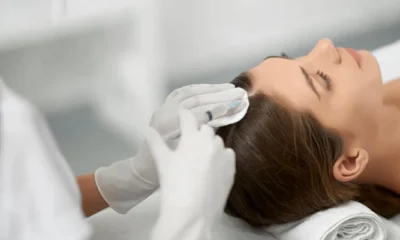
Yes, Afro hair transplants can be combined with other hair restoration treatments for enhanced results. For example, PRP (Platelet-Rich Plasma) therapy can help stimulate hair growth in both transplanted and natural hair. Minoxidil or finasteride may also be used after the procedure to maintain the health of the remaining hair and prevent further hair thinning. Combining an Afro hair transplant with these methods can maximize results and provide a comprehensive approach to hair restoration.
How Does the Curly Texture Affect the Success of an Afro Hair Transplant?
The curly texture of Afro hair plays a significant role in the success of the transplant. Because Afro hair grows in a dense and curled pattern, the surgeon must adjust the placement and angle of the hair follicles to ensure they grow naturally in the desired direction. With the right technique, curly hair can provide more volume and fullness, creating a more defined and symmetrical look. However, the unique nature of curly hair requires skilled surgeons who are experienced in working with this type of hair to avoid unnatural growth patterns.