What is Ozone Hair Transplant and How Does It Work?
Ozone hair transplant is a cutting-edge hair restoration technique that combines traditional hair transplant methods with the healing and stimulating power of ozone therapy. Ozone, a form of oxygen, is used to enhance the blood circulation and oxygenation in the scalp, improving the health and vitality of hair follicles during the transplant process. The ozone is typically applied to the scalp either before or after the transplant to improve the survival rate of transplanted follicles and boost hair growth. It helps by promoting oxygen-rich blood flow to the treated areas, accelerating healing and enhancing the growth of transplanted hair. Ozone therapy has been shown to revitalize hair follicles and increase blood supply, making it an ideal complement to traditional hair restoration treatments.
Benefits of Ozone Therapy in Hair Transplantation
Ozone therapy offers several key benefits when used in hair transplantation. One of the most significant benefits is its ability to improve blood circulation to the scalp, which in turn enhances oxygen delivery to the hair follicles. This increased oxygen flow helps stimulate hair growth, strengthen existing hair, and revitalize dormant follicles. Additionally, ozone therapy helps to reduce inflammation and swelling post-transplant, promoting faster healing and better overall results. By improving blood flow, ozone therapy also aids in the delivery of nutrients to the hair follicles, ensuring that they remain healthy and active for long-term growth. Furthermore, ozone therapy has antioxidant properties, which can help protect the scalp from oxidative stress and damage.
How Ozone Improves Hair Follicle Health During Transplant
Ozone therapy improves hair follicle health during a transplant by promoting better oxygenation and circulation to the transplanted hair follicles. The introduction of ozone into the scalp increases the oxygen content in the area, ensuring that the follicles receive the nutrients and oxygen they need to thrive. This helps the transplanted follicles take root and adapt to their new environment, enhancing the survival rate of the transplanted hair. In addition to improving follicle health, ozone also helps to reduce inflammation and infection risks, ensuring a smoother recovery and more successful hair growth.
Is Ozone Hair Transplant Safe for All Skin Types?
Ozone hair transplant is generally safe for all skin types, but as with any medical procedure, it is important to consider individual factors. Ozone therapy is non-invasive, and when applied correctly, it poses minimal risks to the skin. However, individuals with active scalp infections, eczema, psoriasis, or sensitive skin may need to consult with a specialist before undergoing the procedure. A professional evaluation is crucial to determine whether the treatment is suitable for your skin type and hair condition. The use of ozone on darker skin tones should be monitored to prevent potential complications such as hyperpigmentation. Choosing a clinic with experience in ozone therapy and hair restoration ensures the procedure is performed safely and effectively.
How Long Do Results from Ozone Hair Transplant Last?
The results of an ozone hair transplant are generally long-lasting. Since ozone therapy works by enhancing blood circulation and follicle health, it promotes sustained hair growth. The transplanted hair follicles, which are taken from areas resistant to hair loss (like the back of the scalp), will continue to grow naturally and remain intact for a lifetime. However, it’s important to note that existing natural hair (that was not part of the transplant) may continue to thin or fall out due to genetic factors. To maintain a fuller, more youthful appearance, some patients may choose to undergo maintenance treatments or additional ozone therapy sessions.
What to Expect During an Ozone Hair Transplant Procedure
During an ozone hair transplant, the procedure follows similar steps to a traditional hair transplant, but with the added benefit of ozone therapy to enhance results. First, the patient undergoes a consultation to assess the hair loss pattern and discuss the desired outcome. Local anesthesia is then applied to the scalp to ensure comfort throughout the procedure. The surgeon will either use FUE (Follicular Unit Extraction) or FUT (Follicular Unit Transplantation) methods to extract hair follicles from the donor area and transplant them into the thinning or bald areas. Ozone therapy is introduced at various points during the procedure to enhance blood flow and stimulate follicle health. After the transplant, patients may experience some swelling or redness, but these side effects typically subside within a few days.
How Ozone Therapy Enhances Hair Growth Post-Transplant
After a hair transplant, ozone therapy helps promote optimal hair growth by improving oxygen supply and circulation in the transplanted areas. Ozone is applied to the scalp, helping to stimulate blood flow, which accelerates the delivery of nutrients to the hair follicles. This ensures that the transplanted follicles receive everything they need to thrive, enhancing the chances of successful integration and long-term growth. Additionally, ozone therapy has anti-inflammatory properties, which can help to reduce swelling and discomfort after the transplant, leading to a smoother recovery and more satisfying results.
Ozone Hair Transplant vs. Traditional Hair Transplant: Key Differences
The main difference between ozone hair transplant and traditional hair transplant methods lies in the enhancement of results through ozone therapy. While both methods use the same technique for hair follicle extraction and transplantation, ozone therapy provides additional benefits by improving scalp circulation and oxygenation, leading to better follicle health and faster recovery. Traditional hair transplants focus on the surgical aspect of the procedure alone, while ozone hair transplants enhance the healing process and stimulate hair growth post-surgery. This makes ozone hair transplant a more advanced and effective option for individuals seeking long-term, natural results.
How Much Does Ozone Hair Transplant Cost 2026 ?
The cost of an ozone hair transplant can vary depending on several factors, including the clinic’s location, the surgeon’s expertise, and the number of grafts needed. On average, the cost of an ozone hair transplant ranges from $4,000 to $15,000. The addition of ozone therapy can slightly increase the cost compared to traditional hair transplant methods, but many patients find that the enhanced results and faster recovery make it a worthy investment. It is essential to discuss the cost during a consultation, as well as the payment options and financing plans available.
Post-Treatment Care After Ozone Hair Transplant: Tips for Best Results
After an ozone hair transplant, following the proper post-treatment care is crucial for optimal results. Patients should avoid touching or scratching the transplanted area for a few days to prevent dislodging the follicles. Gentle washing with a mild shampoo is recommended, and patients should avoid using harsh products on the scalp. Sun exposure should be minimized, and a sunscreen should be applied when going outside. Rest is important in the first few days to allow the transplanted follicles to settle. Regular follow-up appointments will ensure the recovery process is proceeding smoothly, and any necessary adjustments can be made.
Ozone Therapy for Hair Loss: How Effective Is It?
Ozone therapy has shown promising results for hair loss by stimulating blood flow to the scalp and promoting healthy hair follicle growth. It is particularly effective for individuals with early-stage hair loss or thinning hair, as it can help revitalize dormant follicles and improve the overall health of the scalp. Ozone therapy works by improving oxygen delivery, which enhances nutrient absorption and promotes hair regrowth. While it may not completely reverse advanced stages of hair loss, it can significantly improve the appearance and density of hair in many patients, especially when combined with other treatments such as PRP (Platelet-Rich Plasma).
Side Effects and Risks of Ozone Hair Transplantation
The risks and side effects of ozone hair transplant are generally minimal, as ozone therapy is non-invasive and well-tolerated. However, some patients may experience temporary redness, swelling, or discomfort in the treated area, especially in the first few days after the procedure. Infection is a rare but possible risk, though proper aftercare can minimize this. Scarring is another potential concern, particularly if FUT is used. The use of ozone has a low risk of adverse reactions, but it is essential to consult with an experienced surgeon to ensure the procedure is suitable for you.
How Many Sessions Are Needed for Ozone Hair Transplant Results?
For most patients, one to two sessions of ozone hair transplant are sufficient to achieve visible results. The exact number of sessions depends on the extent of hair loss and the patient’s individual goals. If necessary, additional sessions can be scheduled to further enhance results, especially if larger areas need to be treated. Ozone therapy can also be used in conjunction with maintenance sessions for individuals who want to maintain or enhance the growth of transplanted hair over time.
Can Ozone Therapy Be Combined with Other Hair Restoration Treatments?
Yes, ozone therapy can be effectively combined with other hair restoration treatments such as PRP (Platelet-Rich Plasma) therapy, minoxidil, or finasteride. Combining ozone therapy with PRP enhances hair growth and follicle health by stimulating blood flow and encouraging cellular regeneration. For individuals with advanced hair loss, ozone therapy can serve as an adjunct treatment to boost the effectiveness of other medications and therapies.
How Ozone Therapy Improves Blood Circulation for Hair Follicles
Ozone therapy enhances blood circulation in the scalp by increasing the oxygen content in the blood. When applied to the scalp, ozone helps to dilate blood vessels, improving oxygen delivery and nutrient supply to hair follicles. This enhanced circulation stimulates follicular regeneration and supports the growth of both transplanted and natural hair. By improving blood flow, ozone therapy helps to ensure that the hair follicles remain nourished and healthy, leading to better results from hair restoration procedures.
Ozone Hair Transplant for Receding Hairlines and Bald Spots
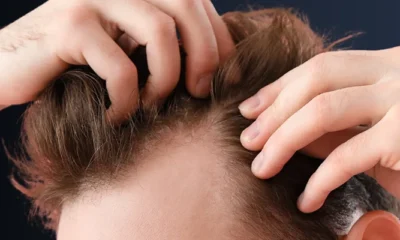
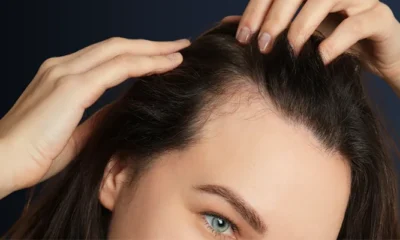
Ozone hair transplant is particularly effective for addressing receding hairlines and bald spots, which are common areas for hair loss in both men and women. By transplanting healthy hair follicles into these thinning areas and using ozone therapy to improve scalp health, the procedure helps to restore a fuller hairline and reduce bald spots. The addition of ozone therapy enhances blood flow, ensuring that the transplanted follicles are well-nourished and thrive in their new environment. As a result, receding hairlines and bald spots can be successfully addressed with natural-looking and permanent results.
Who is an Ideal Candidate for Ozone Hair Transplantation?
An ideal candidate for ozone hair transplantation is someone experiencing early to moderate hair loss who wants to achieve a natural-looking and permanent solution. Candidates should have healthy donor hair on their scalp that can be used for the transplant. Ozone therapy is particularly beneficial for individuals who want to stimulate hair regrowth and enhance the results of their transplant. Individuals in good health with realistic expectations about the outcomes are also good candidates for the procedure.
Is Ozone Hair Transplant Painful? What Does the Treatment Feel Like?
Ozone hair transplant is generally not painful due to the use of local anesthesia to numb the scalp during the procedure. Most patients report feeling a slight pressure or tingling sensation during the transplant, but this is usually well-tolerated. After the procedure, some mild discomfort or soreness may occur in the treated area, but this typically resolves within a few days. Ozone therapy itself is non-invasive and generally does not cause any pain or discomfort.
How to Prepare for Ozone Hair Transplant Treatment
To prepare for an ozone hair transplant, patients should avoid alcohol and blood-thinning medications (like aspirin) for several days before the procedure. The scalp should be cleaned and free of any hair products on the day of surgery. It’s also important to avoid smoking, as nicotine can hinder the healing process. Patients should also arrange for transportation to and from the clinic, as they may experience some discomfort after the procedure.
The Future of Ozone Therapy in Hair Restoration and Transplants
The future of ozone therapy in hair restoration looks promising. As technology advances, ozone therapy may become an even more integral part of hair restoration treatments, offering better results, faster recovery, and enhanced hair growth. With its ability to improve blood circulation, oxygenation, and follicle health, ozone therapy has the potential to transform the way we approach hair restoration. Further research and innovation in this field will likely lead to even more effective and non-invasive solutions for hair loss.