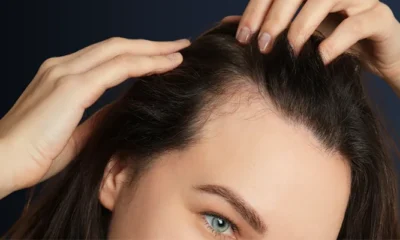
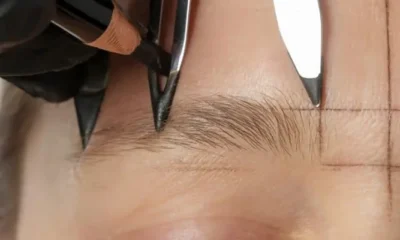
What is Unshaven Hair Transplant and How Does It Work?
An unshaven hair transplant is a modern variation of the traditional FUE (Follicular Unit Extraction) hair transplant technique where the hair on the donor area is left untouched and unshaven during the procedure. This approach allows the surgeon to extract hair follicles from the donor area, typically from the back or sides of the scalp, without the need to shave the surrounding hair. The procedure involves local anesthesia to numb the scalp, and the follicles are extracted and then transplanted into the recipient areas. The unshaven method ensures that the hair remains intact, offering immediate coverage and a more discreet recovery process, making it a popular choice for individuals who need to return to normal life quickly after the procedure.
Benefits of Unshaven Hair Transplant vs. Traditional Shaven Methods
The main benefit of an unshaven hair transplant over traditional shaven methods is that it allows patients to maintain natural hair coverage immediately after the procedure. Unlike traditional hair transplants, where the donor area is shaved, unshaven hair transplants don’t require shaving any hair in the donor or recipient areas. This makes it ideal for individuals who want to keep their hair concealed during recovery and avoid the shaved look that can take time to grow back. Additionally, since no shaving is involved, the healing time is typically faster, and there is less visible scarring. This method offers a more discreet recovery, allowing patients to return to their normal routine much sooner.
How Unshaven Hair Transplant Preserves Natural Hair for Immediate Results
One of the key advantages of the unshaven hair transplant is that it allows patients to keep their natural hair intact, which provides immediate coverage after the procedure. Since the hair follicles are extracted without shaving, patients can maintain their existing hairstyle during the recovery period, making it a more aesthetic and discreet option. The hair on the donor and recipient areas can cover the transplanted area, providing natural-looking results even in the initial stages of healing. This is particularly beneficial for individuals who are concerned about the visibility of the procedure during the early stages of recovery.
Is Unshaven Hair Transplant Safe for All Skin Types?
Yes, an unshaven hair transplant is generally safe for all skin types. The technique does not involve shaving the scalp, which means it does not cause trauma to the skin in the same way that other methods might. It is particularly beneficial for individuals with short hair or thin hair who do not want the procedure to be visible. However, individuals with certain scalp conditions or skin sensitivities may need to discuss their situation with a surgeon to ensure that this method is right for them. It is always recommended to consult with an experienced surgeon who can evaluate your skin type and hair condition before proceeding with the transplant.
What to Expect During an Unshaven Hair Transplant Procedure
During an unshaven hair transplant, the surgeon will begin by administering local anesthesia to numb the scalp. After ensuring the patient’s comfort, the donor area (typically the back of the head) is left unshaven. The surgeon uses a micro-punch tool to extract hair follicles one by one, without shaving the surrounding hair. These follicles are then immediately implanted into the recipient area, following the natural growth direction of the existing hair. This technique ensures a more precise, less invasive procedure and minimizes the visible signs of treatment. The procedure can take 4 to 8 hours, depending on the extent of hair loss, and patients can expect mild swelling or redness in the treated areas after the transplant.
How Much Does an Unshaven Hair Transplant Cost 2026 ?
The cost of an unshaven hair transplant can vary depending on factors like the clinic’s location, the surgeon’s expertise, and the number of grafts required. On average, unshaven hair transplant procedures can cost anywhere from $4,000 to $15,000. While the cost may be slightly higher than traditional methods due to the additional expertise required to perform the procedure without shaving, the benefits of a faster recovery, discreetness, and immediate natural coverage often make it a worthwhile investment. It is important to consider factors such as clinic reputation, surgeon’s experience, and patient reviews when evaluating the cost.
How Long Do Results from Unshaven Hair Transplant Last?
The results of an unshaven hair transplant are typically permanent, as the transplanted hair follicles come from areas of the scalp that are genetically resistant to hair loss. As long as the transplanted hair continues to grow, it will remain for life. However, it is important to note that while transplanted hair is permanent, existing natural hair may continue to thin or fall out over time due to genetics or aging. To help prevent further hair loss, patients may consider maintenance treatments or medications like finasteride or minoxidil. Overall, unshaven hair transplant provides a long-lasting solution to hair loss, especially when performed early in the hair thinning process.
Post-Unshaven Hair Transplant Care: Tips for Best Results
After an unshaven hair transplant, it’s essential to follow proper aftercare to ensure optimal results. Some key tips for post-treatment care include:
Avoid touching or scratching the treated area for the first 2 weeks.
Keep the scalp clean but avoid washing the hair too soon after the procedure (wait at least 24 to 48 hours).
Avoid sun exposure and wear a protective hat when going outside to prevent damage to the scalp.
Avoid strenuous physical activities and excessive sweating for 1 to 2 weeks.
Take any prescribed medications to reduce swelling and prevent infection.
Following these instructions will help the transplanted hair follicles integrate smoothly and result in better long-term growth.
Side Effects and Risks of Unshaven Hair Transplant
Like any surgical procedure, unshaven hair transplants carry some risks and side effects. The most common side effects include swelling, redness, mild scabbing, and discomfort in the treated areas, which typically resolve within a few days. Shock loss, where hair sheds temporarily before regrowing, is also a common occurrence but is generally followed by new hair growth. Rarely, infection, scarring, or folliculitis (inflammation of the hair follicles) may occur. However, these risks are minimized when performed by a skilled surgeon with proper post-operative care and hygiene.
How Long Does an Unshaven Hair Transplant Session Take?
An unshaven hair transplant session typically lasts between 4 to 8 hours, depending on the size of the area being treated and the number of grafts required. Since the surgeon is working with untouched hair, the extraction process may take slightly longer than traditional FUE. However, the procedure is still minimally invasive and can be completed in one day. Patients can expect to take breaks during the procedure for comfort and will be advised on proper aftercare to promote the healing process.
Who is an Ideal Candidate for Unshaven Hair Transplant?
An ideal candidate for an unshaven hair transplant is someone who has moderate hair loss or receding hairlines and prefers to avoid shaving their hair during the procedure. This method is especially beneficial for individuals who have short hair or do not wish to disrupt their hairstyle while undergoing treatment. Additionally, those with limited donor hair in the scalp may find unshaven hair transplant to be an ideal solution. A thorough consultation with a surgeon will help determine if this procedure is the best option for your individual needs and goals.
Unshaven Hair Transplant for Receding Hairlines: Effectiveness
An unshaven hair transplant is particularly effective for receding hairlines. The surgeon can carefully extract and transplant hair follicles in a way that restores a natural-looking and well-defined hairline. The unshaven method allows for immediate coverage in the recipient areas, hiding any signs of the procedure during the initial stages of recovery. The use of precise techniques and minimal disruption to the existing hair ensures that the new hairline blends seamlessly with the natural growth pattern, providing a youthful and natural appearance.
How Does the Recovery Time Differ in Unshaven Hair Transplant?
The recovery time for an unshaven hair transplant is generally faster than traditional methods that require shaving the hair. Since the hair on the donor area remains intact, patients can return to normal activities more quickly. Typically, patients can resume light activities within 3 to 5 days, while more strenuous activities should be avoided for 1 to 2 weeks. Additionally, because the hair follicles are transplanted without shaving, patients can maintain a discreet appearance while recovering. Full recovery, including hair growth, may take 6 to 12 months.
Can Unshaven Hair Transplant Be Combined with Other Hair Restoration Methods?
Yes, unshaven hair transplant can be combined with other hair restoration treatments for enhanced results. For example, PRP (Platelet-Rich Plasma) therapy can be used to stimulate hair growth and promote faster recovery in the transplanted area. Additionally, minoxidil or finasteride can be used in conjunction with the transplant to help prevent further hair loss and maintain existing hair. Combining treatments offers a comprehensive approach to hair restoration, improving the overall effectiveness and longevity of the results.
How to Maintain Your Hair After an Unshaven Hair Transplant
To maintain your hair after an unshaven hair transplant, it’s important to follow proper post-treatment care, such as avoiding harsh chemicals and using mild shampoos. Regular scalp massages can help improve circulation, and a healthy diet rich in vitamins and minerals will promote healthy hair growth. Additionally, patients may need to undergo maintenance treatments like PRP therapy or use medications like finasteride or minoxidil to maintain the health of their hair and prevent further thinning.
Unshaven Hair Transplant vs. Traditional FUE: Key Differences
The key difference between unshaven hair transplant and traditional FUE is that unshaven hair transplants do not require the shaving of the donor or recipient areas. This makes the unshaven technique ideal for individuals who want to maintain their existing hair style during the recovery process. Additionally, unshaven hair transplants tend to have a faster recovery time and cause less visible scarring compared to traditional FUE methods. The results of unshaven hair transplants are also known to be more natural-looking, as the hair is implanted with precision at the correct angle and direction.
How Unshaven Hair Transplant Helps with Natural-Looking Results
Unshaven hair transplant helps achieve natural-looking results by preserving the existing hair coverage and allowing for precise placement of the transplanted follicles. The Choi Implanter Pen or other precision tools ensure that hair follicles are placed at the correct angle, depth, and direction to match the natural growth pattern of the existing hair. This method results in a seamless blend between the transplanted and natural hair, creating a fuller, more natural-looking appearance. Additionally, the ability to maintain hair coverage during recovery makes the unshaven method a preferred choice for individuals seeking a discreet and effective solution to hair loss.